The 2026 "Who Pays for What?" ? Frame & Mechanical Operations Report, produced by Collision Advice and CRASH Network, finds that destructive weld testing ranks among the least-reimbursed procedures shops negotiate for, even though Mike Anderson, president of Collision Advice, counts it among the three most important items the survey series tracks. The survey ran throughout April and drew responses from 473 shops in 49 states, asking how often eight of the largest auto insurers pay for roughly 20 not-included frame and mechanical procedures.
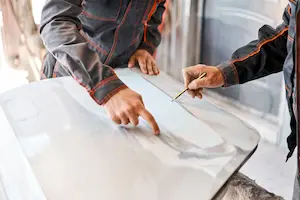
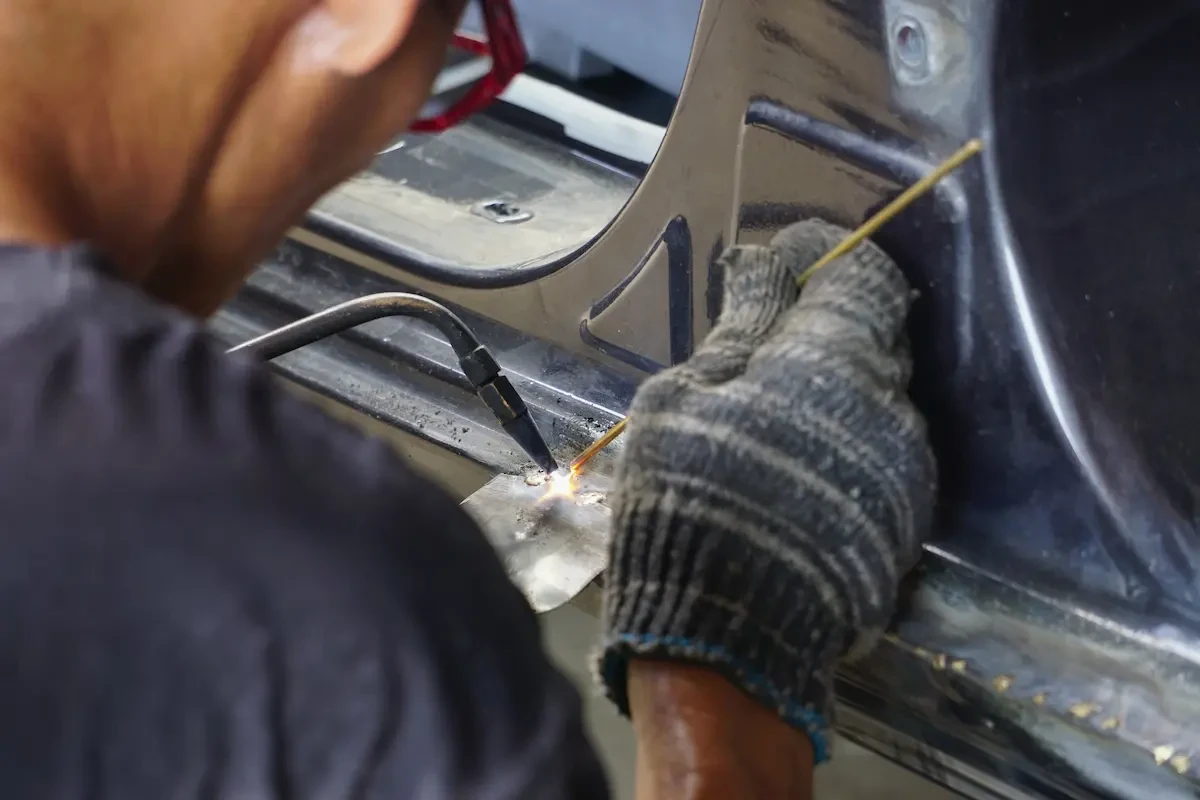
The operation involves setting up sample welds specifically to be destroyed and inspected, a step that happens before any actual welding takes place on the vehicle, so a technician can verify the welder is properly configured.
Payment rate ranks near the bottom of the survey
Among shops that put destructive weld testing on an estimate, 25% are paid always or most of the time, according to the report. That?s down from 37% two years ago. As with every procedure in the survey, that figure counts only shops that negotiate for the item; it does not include shops that never asked. The procedure ranks 15th of roughly 20 operations on the report's overall ranking chart, just behind parts cart storage and ahead of the tire run-out test.
Nearly a third of shops never even ask
Thirty-one percent of shops surveyed said they have never negotiated to be paid for destructive weld testing, according to the report's "never asked" chart. That?s down from more than 80% a decade ago. But combined with the low payment rate, that gap points to the same worry Anderson raised in his notes on the procedure: the lack of reimbursement, he wrote, causes him great concern about whether shops are even performing the step at all.
Weld quality hinges on getting several variables right at once
Of all the procedures the "Who Pays for What?" surveys track, Anderson wrote that destructive weld testing sits in his top three. He noted that the requirement applies separately to every type of weld a given repair calls for, meaning a single vehicle can need several different test-weld setups before any panel actually goes on. Anderson explained that getting a weld right depends on several variables working together at once: the welder itself, its settings, the wire, and the gas mixture. Without destructively testing a sample weld first, he said, there is essentially no way to confirm those variables are dialed in correctly.
He called it a non-negotiable procedure that every OEM requires, though the specific testing process varies by automaker. Anderson pointed to one specific failure mode he has personally observed: destructive test welds failing because the welding equipment was running outdated software. His advice is to stay in touch with the equipment manufacturer about when firmware or software updates come due.
Anderson issued two challenges to the industry over the procedure. Automakers, he said, should begin packaging weld test coupons together with welded-on replacement panels, and I-CAR should put more resources into training and video content covering the topic.
Documentation starts with OEM procedures and the estimating P-pages
The report points shops toward the same four negotiating questions Anderson recommends for any not-included line item: confirm the operation is required to return the vehicle to pre-accident condition, check whether it is already included in another labor operation, look for a pre-determined time, and calculate what the labor and materials are actually worth.
Every OEM requires destructive weld testing in some form, so shops can document the need through automaker repair procedures directly, or through third-party services such as ALLDATA, Mitchell TechAdvisor, CCC ONE Repair Methods, and I-CAR's Repairability Technical Support Portal. The P-pages or guides for each of the Big 3 estimating systems can be used to show that the operation is not-included.
For technical grounding, the report's resources section points to I-CAR's "Back-To-Basics: Destructive Weld Testing" article and a printable SCRS worksheet built for shops to use when spot-weld testing, along with SCRS Quick-Tip videos on destructive test welds and weld testing, and SCRS Education Committee videos covering welder settings and MIG/MAG welder setup and maintenance.
The full Frame & Mechanical Operations Report is available to download now.
- Replace with the first point.
- Replace with the second point.
- Replace with the third point.
Of stats are made up.