



Most industries are slowing down as the fourth quarter of the financial year winds to a close, but in the collision industry, lots of shops are braced to catch one last profit windfall from holiday travel. Taking full advantage of that opportunity, though, can be tricky.
Three industry veterans spoke with Autobody News to weigh in on how to prepare for the customer rush that results from the travel that’s in full swing now and will extend beyond New Year’s Day.
Marketing and reaching consumers
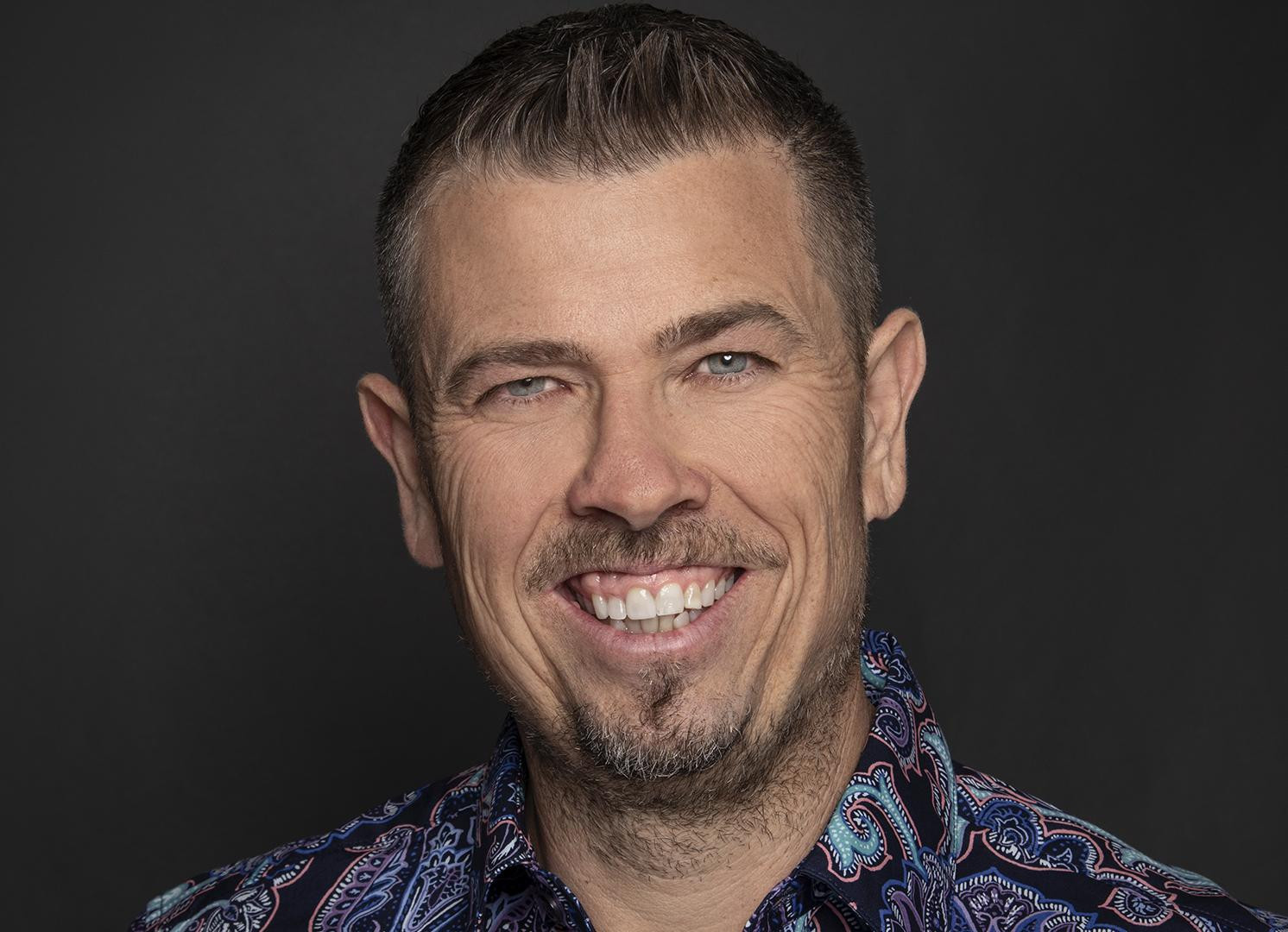 IGA president Gary Hart says the public should be mindful of the condition of their vehicles during holiday travel.For Independent Glass Association President Gary Hart, it’s important to gear glass repairers up for the influx long before the actual rush begins.
“We start at the end of October, letting them know, ‘As you are approaching the holiday season for both Thanksgiving and the December Christmas holiday break, your marketing should start to increase,” he said.
There are actually three opportunities for glass shops during the holiday season, he contended: One during the pre-travel period, one during actual travel, and one while travelers are in their intended destination. He advises the public to participate in the repair process by being mindful of the condition of their vehicles during these periods.
“Vehicle owners should have their vehicles and their glass inspected ahead of time. If there's a chip, get the chip taken care of now. Don't let it spread while you're on the road, especially if you're traveling, you might go from one climate to another,” he said. “Now, you're getting on the road and — pop — something happens. Or even worse, you go to another city, and someone breaks into your car while you're at a restaurant, or a truck stop, or something … Those people that continue to drive, they'll go, ‘Well, I'll wait till we get back home. I don't want to do this on the road.’”
The uptick in business from holiday travel is significant. IGA membership, Hart said, reported an increase in sales between the Sunday before Thanksgiving and the Sunday after New Year's Day last year of over 30%.
Thinking ahead
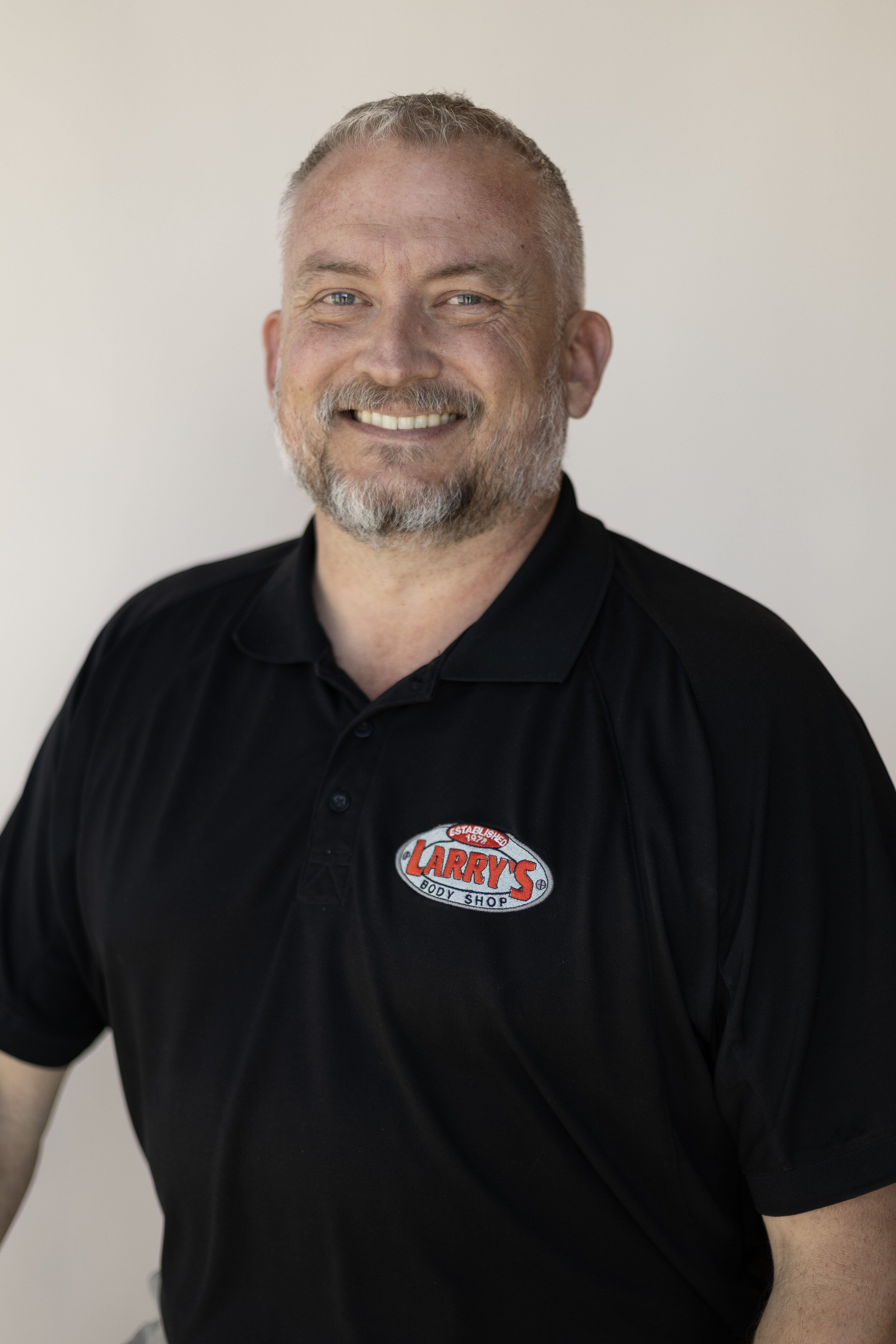 Owner Chad Watkins offsets increase in business from holiday travel by scheduling jobs in advance so he can make room for new ones.Chad Watkins owns Larry’s Body Shop in Ellijay, Georgia. It’s a rural, mountainous area that sees lots of tourist traffic during the holidays, and accidents often occur due to run-ins with wild animals and an unfamiliarity with the winding terrain.
“A lot of times, we're preparing for an increase in claims during the fall, whether it be holidays, fall festivals, deer hits,” he said.
The shop on Progress Road in Ellijay began with Chad’s father, Larry Watkins, who grew it from a one-stall operation. Today, the business has nine employees in the shop and seven in the front office. Watkins is the current president of the Georgia Collision Industry Association, which, after a hiatus, came back full force in 2024 and is currently working closely with state-level legislators on issues concerning the industry.
It’s important to think ahead about the necessary manpower to get through the holiday travel season without ending up overstaffed, Watkins said.
“You want to have as many technicians as you need, but you also want to be efficient in that matter,” he said. “You don't want to have too many. But it's hard just to find a technician during the increased sales time.”
To that end, the shop depends heavily on scheduling — shuffling techs around where and when they’re needed for pre-scheduled jobs. And simple hustle comes into play as Watkins deals with numbers he can’t anticipate.
“A lot of times, that's where I have to schedule out for a month or so,” Watkins said.
“We try our best to be able to just change as it comes to us because we never know exactly how many accidents are coming in. We can look back to years past to try to prepare, but a lot of times, it just comes to us, and we don't know if we're going have an increase in claims or not … life just hits us sometimes, and we just have to roll with the punches.”
The importance of processes
In Mooresville, North Carolina, Color Master Premium Collision Center is repairing 40 to 50 cars a month. This is also a rural area where deer hits are also common.
Owner Vic Shahid has seen an uptick in business the past few weeks, which he said is actually unusual for the area but may be attributable to the deer. He handles a rise in business through process control to prevent overwhelm in the 10-person shop.
“We do have a very well-established processes of checking in cars, internal processes for getting estimates written on time, getting them through to insurance as fast as we can once the car is here or even before the car is here,” he said.
From that point, the cars move to techs with a shop production supervisor keeping track of who needs what thing next in order to move vehicles from repair to paint stage in on an aligned schedule.
Staff and certifications
And a dedicated staff helps during all times, not just the busy ones.
“My staff — I cannot praise them enough. People all through the shop are very, very interested in the shop's success,” Shahid said. “I have three people at the front office who are all personally worried if things don't happen properly. And the same way for my techs. They are personally worried if their work doesn't look right. Because everybody is so quality conscious, I don't have to worry as much.”
Brand certifications have helped him implement strong processes. A Subaru certification in particular helped put protocols in place.
“Once we got Subaru certified and we realized all the little things we had to do and all the processes we had to have in place, those were useful,” Shahid said. “And that's what gave us a more professional outlook. When we got the other certifications, they were not really requiring us to do any of that stuff, but we continued to do all that stuff.”
Collecting people
Staff retention is also important to Shahid; it pays off in the busy times. He maintains relationships through validation and education.
“You need to wait till you collect those people and not get rid of them,” he said. “When they're worried and they're trying to bring up some concern, I don't dismiss them. I do look at their concerns and I try to solve them. And I sometimes try to educate them that their concern is trivial. Other times I ask myself, ‘Should I be worried about trivial concerns? Are these valid?’ If they are, then we make process changes.”









Elizabeth Green