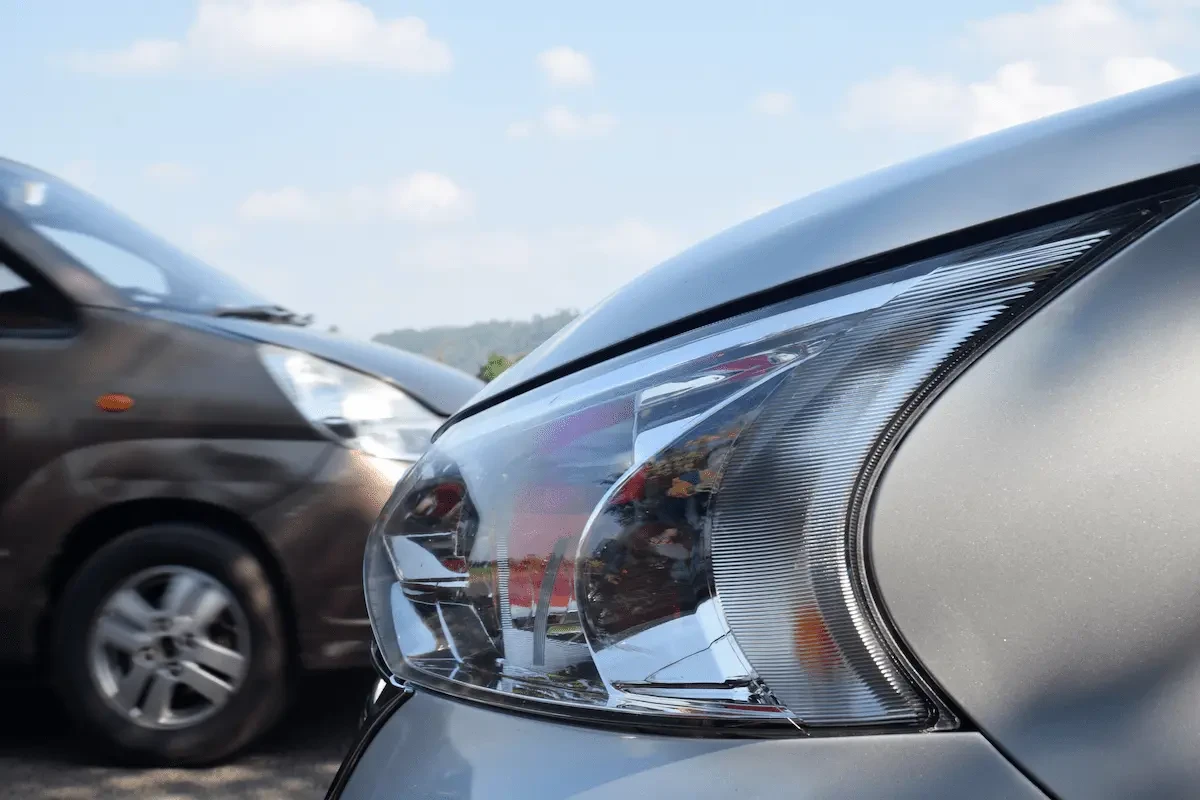
The National Highway Traffic Safety Administration (NHTSA) announced Oct. 6 that it will update Federal Motor Vehicle Safety Standard (FMVSS) No. 108, the federal rule governing vehicle lamps, reflective devices, and associated equipment. Headlamp height and aim, replaceable light sources, and testing of replaceable lenses are among the topics under review, according to NHTSA.
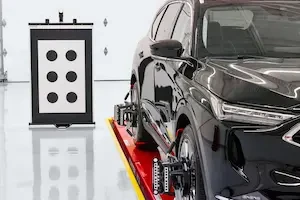
FMVSS 108 applies to replacement lamps, reflective devices, and associated equipment as well as original equipment. It also requires the horizontal aim indicator on on-vehicle headlamp aiming devices to be capable of recalibration "after vehicle repair from accident damage," according to the current regulation.
NHTSA is using negotiated rulemaking to update its vehicle lighting standards for the first time in more than 25 years, the agency said. U.S. Transportation Secretary Sean P. Duffy will appoint up to 18 committee members drawn from vehicle lighting manufacturers, motor vehicle equipment associations, safety organizations, research institutions, and engineering associations.
Public comments on the scope of the rulemaking and the balance of the committee, along with formal membership nominations, must be received by Nov. 9, 2026, and can be submitted at Regulations.gov under Docket No. NHTSA-2026-1981, according to NHTSA.
"Today's standards do not allow automakers to deploy the latest safety-improving lighting technologies, so we are bringing key experts and stakeholders together to modernize our standards and address potential causes of glare," NHTSA Administrator Jonathan Morrison said in the announcement. "This collaborative approach will allow us to update outdated regulations, foster innovation, and keep everyone on our roads safer."
NHTSA lists glare, headlamp aim, and replacement lens testing among review topics
NHTSA said it will consult industry stakeholders, safety advocates, and technical experts on several challenges, including the following:
- Headlight glare: Reviewing how modern headlamp technology affects glare for other road users and making changes where appropriate.
- Lighting technology: Updating rules for LEDs, dusk sensors, automatic high beams, and replaceable light sources.
- Performance: Evaluating how headlamp height and aim affect driver visibility.
- Testing and materials: Streamlining test procedures for plastic optics and replaceable lenses.
- Global standards: Harmonizing U.S. lighting regulations with international safety standards.
Replacement lamps must keep vehicles in compliance and allow aim adjustment
Under the current FMVSS 108, each replacement lamp, reflective device, or item of associated equipment must be designed to meet the standard's requirements and include every function of the part it replaces, other than functions the standard does not require, according to the regulation. A replacement designed or recommended for specific vehicle models must be designed so that it does not take the vehicle out of compliance once installed.
A provision addressing how compliance is determined for replacement lamps or other devices used in pairs states that it does not limit the responsibilities of manufacturers, distributors, dealers, or "motor vehicle repair businesses" under 49 U.S.C. 30122, the federal law on making safety devices and elements inoperative, according to the eCFR. Manufacturers may meet the replacement equipment requirements using either the current version of the standard or the version in effect when the original equipment was manufactured.
With some exceptions, headlamps must be installed with a mounting and aiming mechanism that allows vertical and horizontal aim to be inspected and adjusted without removing vehicle parts, other than protective covers that come off without tools, the regulation states. One person must be able to make those adjustments with ordinary tools.
The post-repair recalibration capability for the horizontal indicator on on-vehicle aiming devices must cover 2.5 degrees in either direction relative to the vehicle's longitudinal axis. The requirement does not apply when the horizontal aiming device is part of an adaptive driving beam system.
Replacement lenses require seals, instructions, and DOT markings
A replacement lens for a replaceable bulb or integral beam headlamp that is not required to have a bonded lens must come packaged with a replacement seal and instructions for removing and replacing the lens, cleaning the reflector, and sealing the new lens to the reflector, according to the regulation. Once installed according to the lens maker's instructions, the lens must not cause the headlamp to fall out of compliance.
Replacement headlamps, beam contributors, and replacement headlamp lenses must carry the "DOT" symbol on the lens to indicate certification. Replacement lenses must also identify the manufacturer and part or trade number of the headlamp they are intended for, along with the name or trademark of the lens manufacturer or importer, the standard states.
Adaptive driving beam systems must detect malfunctions and revert to manual mode
The current standard addresses automatic beam switching through provisions for semiautomatic headlamp beam switching devices, which include adaptive driving beam systems.
An adaptive driving beam system must be able to detect malfunctions, including sensor obstruction. If a malfunction prevents the system from operating automatically safely and in compliance with the standard, the headlighting system must operate in manual mode until the malfunction is corrected and give the driver a visible warning that the malfunction exists. Under the standard's adaptive driving beam compliance test procedure, headlamps on the test vehicle are aimed according to the vehicle manufacturer's instructions, according to the regulation.