


Brian Herron, founder and CEO of Opus IVS, said one of the next challenges facing the industry is verification that all necessary ADAS calibrations have been performed and the systems are working properly.
“We have all sorts of tools out there to identify what calibrations need to be done, and all sort of tools to do calibrations,” Herron said at the recent Collision Industry Electronic Commerce Association (CIECA) CONNEX annual conference. “We have OEM tools and targets, and a whole lot of aftermarket solutions.”
But Herron said there’s still an issue: How do you know if a car is actually calibrated correctly?
“You can run a post-repair scan on a car and have zero codes, but the radar may be pointed at the sky,” Herron said. That means even a screenshot of the scan tool showing “success” doesn’t guarantee the systems are correctly functioning.
“You can test drive the vehicle as well, but unless you actually test the systems out — including auto emergency braking — you don’t know that they’re working correctly,” he said.
Verification will become even more critical when federal regulation takes effect in either 2029 or 2030 that would require “if you repair the car, or modify the car, and you don’t return it to a functional state for those systems, you’ll be breaking the law,” Herron said. The final scope and timeline for the regulations are still to be determined.
Herron is member of a Society of Auto Engineers task force arguing that “the vehicles actually have to be designed to report” the ADAS functionality. Scan tools currently can be used to check other vehicles systems, he said, reporting ready, not ready or fault.
“It may be not so easy for the car makers to develop those systems [for ADAS], but given where we’re going with autonomous driving and the fact that these cars have multiple sensors, their ability to test themselves seems like a reasonable ask,” Herron said. “We’re going to ask for this readiness report to be readable through a scan tool.
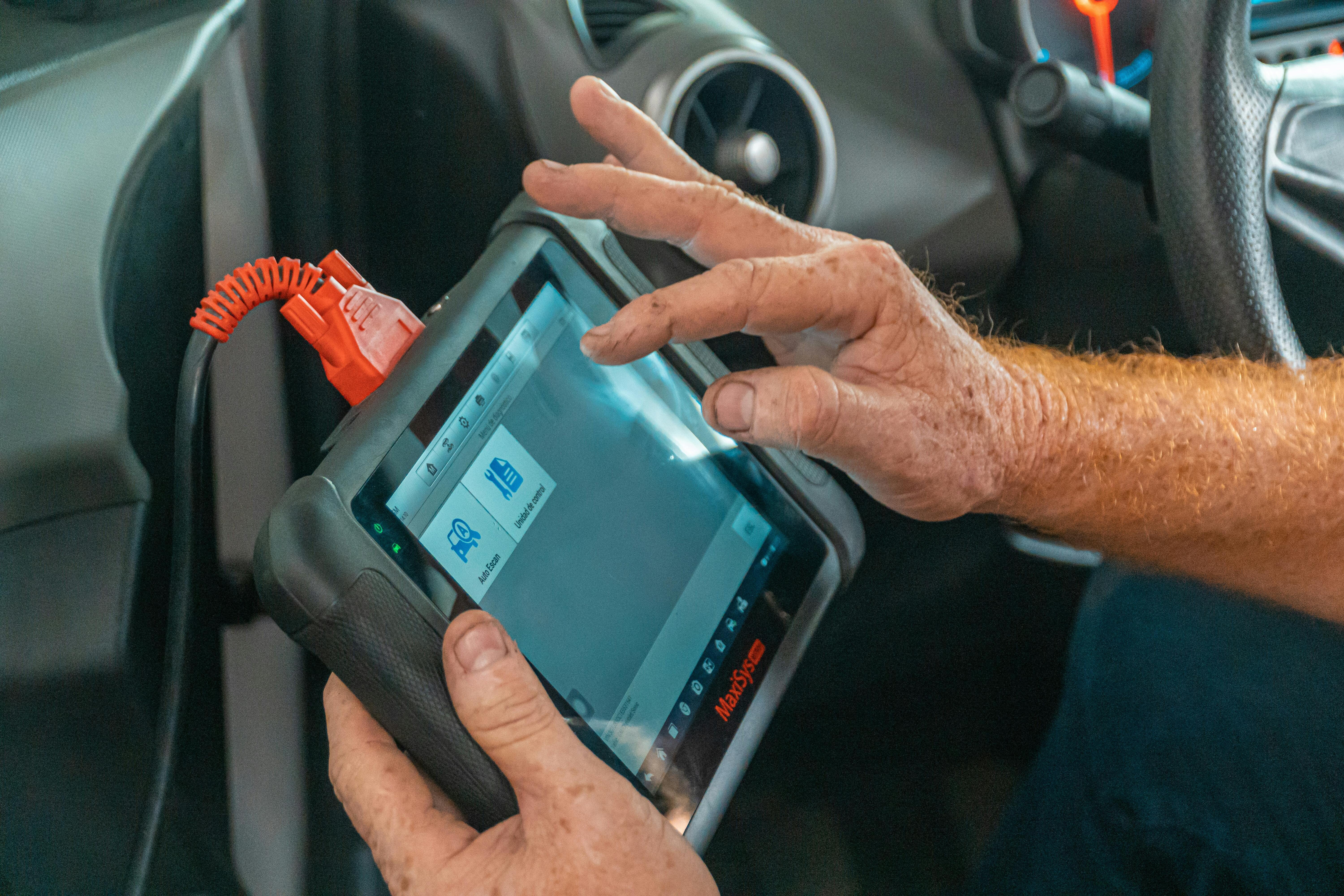
“So an example would be to connect the diagnostic tool, it reads out the VIN, it shows you the systems that are on that vehicle that are government regulated, and it shows their status as ready or not ready,” he said. “We’re asking NHTSA to tie the test to the regulation. It just seems reasonable that if you’re going to have a requirement of an automaker and a requirement of a repairer, that we should just have some actual way to certify or test that the vehicle is working correctly.”
It could be a system that collision repairers could use when the vehicle arrives at the shop as well, but certainly before it leaves following repairs, Herron said. On the mechanical side, he said, calibrations often aren’t happening because consumers often lack an ability or willingness to pay for that work, but that will have to change based on the regulation, which may mean some sort of insurance for mechanical repairs may develop.
He said working to ensure repairers have the tools and information they need to verify ADAS functionality is “not just an Opus project, but an industry project that’s going on,” and he encouraged all segments of the industry to get involved, pointing to his email address and his LinkedIn page if anyone wants to contact him.
“Also, I wrote a 10-page white paper on right to repair on what’s happened there because I’ve been involved for decades,” Herron said. “It looks at what is next? What is the SAFE [Repair] Act? What about the REPAIR Act? What are the benefits to it? Why is it still necessary? So it’s an interesting read if you care about right to repair.”
The white paper can be downloaded from the Opus IVS website.



John Yoswick