

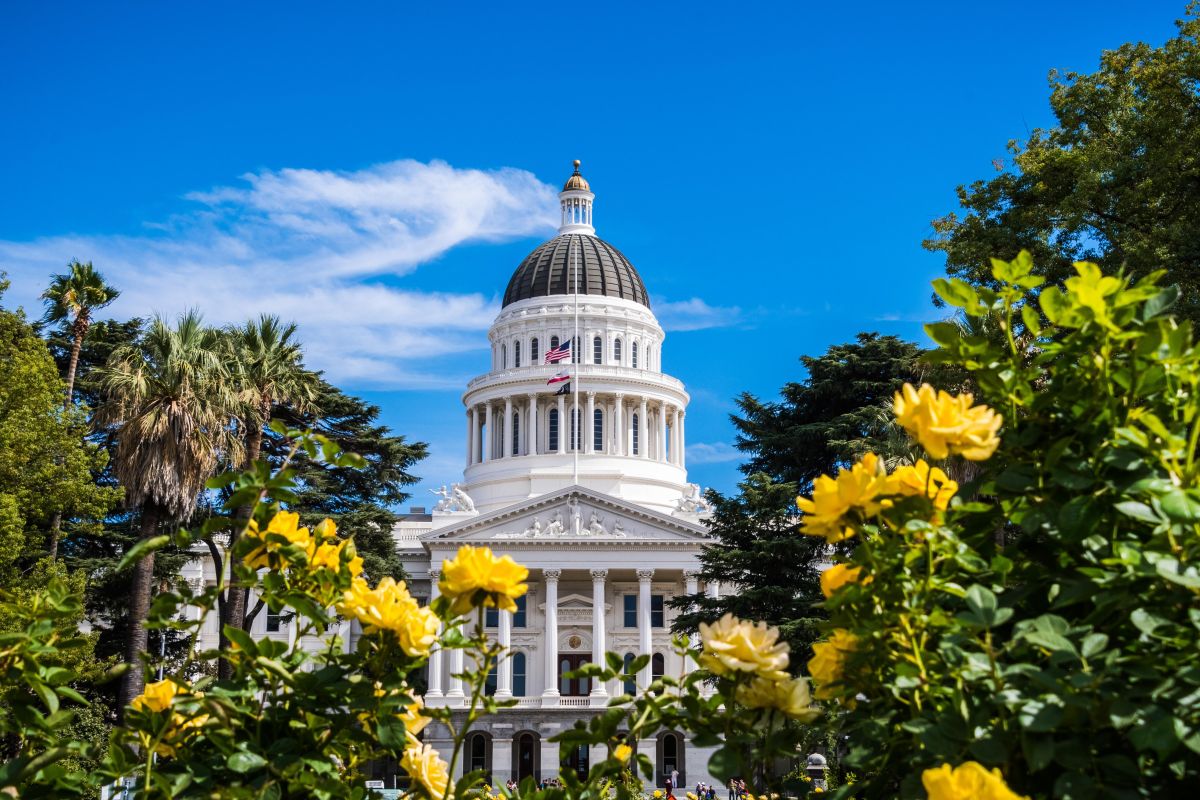
Key state of California moves that touch collision repair are nearing completion: two bills — one storage and towing measure and another on electric vehicle battery recycling — are in the final stages of consideration or legislative debate before likely passage and forwarding to Gov. Gavin Newsom for signatures, and tear down regulations could get a discussion workshop, despite going into effect July 1.
Combined, the three legislative and regulatory actions create new requirements for body shop work, potentially from start to finish on a vehicle, while creating new duties for what collision centers do and how facilities must account for this.
Towing and Storage
AB 987 was ordered to the state senate’s consent calendar Aug. 20. The bill enacts new rules regarding vehicle storage and towing. Being on a consent calendar means proposed laws are expected to pass without opposition. It passed committee votes unanimously.
Among other elements the bill’s text sets limits on how and when storage and “reasonable” towing fees can be charged, including limiting or naming for some cases as “presumptively unreasonable” a dozen fees, including legal ones, if there’s a lawsuit. The bill was authored by Assemblymember LaShae Sharp-Collins.
The California Autobody Association’s (CAA) August legislative and regulatory update said it prohibits facilities “from charging fees on holidays and when the repair shop is closed.” CAA “met with the Assembly member’s staff, and requested amendments. The bill was amended to address concerns.”
EV Battery Recycling
SB 615 is a bit behind AB 987 in line, so to speak, having undergone more amendments and experiencing at least some opposition in committee. However, it’s also expected to handily pass, being markedly similar to a bill that did so in the last session before being vetoed by Newsom.
The veto last year came not from gubernatorial opposition but because the governor wanted battery makers to pay for the program.
The bill by State Sen. Ben Allen, who also authored last year’s bill, calls for all EV batteries to be “repaired, repurposed or recycled.” Its text lays out definitions of various elements of the process and a description of a “battery management hierarchy.”
CAA’s August update expressed “concerns” on the legislation, noting a repair shop’s new duty, if they remove an EV battery, to dispose of it properly, “adhering to the end-of-life requirements specified in the legislation.”
Jack Molodanof of CAA emailed that the bill is currently in its final committee assignment. If passed, he said, it goes back to the Senate to reconcile differences between its version and the Assembly’s, and then to Newsom.
Tear Down Rules
Both bills, once passed and signed, become law. At that point, actual regulations will be discussed and written through the state Bureau of Automotive Repair, a process typically taking several months at least, with chance for body shops and collision centers to comment — and critique — the coming rules.
Already done with that process — though CAA is hopeful one could add “perhaps” to that phrasing — are new regs on tear down. Effective July 1, these “impose a burdensome requirement,” CAA’s update said, involving a separate documentation for repairs and towing. A BAR example is given here along with its summary of all the new rules.
A “final statement of reasons” and final “approved text” are available, along with a timeline of BAR’s actions on these regulations under “Tear Down Disclosure Requirements for Automotive Repair Dealers.”
Molodanof emailed “Ironically, BAR intended this new regulation to help the auto repair industry by clarifying that towing charges are not covered under the Automotive Repair Act — but now…effectively regulates them by prohibiting their inclusion in repair estimates.”
BAR could still address concerns, though regulations are in effect. The CAA update said the agency, at its advisory committee meeting July 31, “indicated they would consider holding a workshop for the industry to address concerns and clarify the regulation.”
A BAR spokesperson emailed Autobody News that at the committee meeting the agency “focused on providing clarity to the industry on the content and ramifications of the regulations. There was considerable discussion on the towing aspect of the regulations, but nothing [new] was decided or implemented.”
He wrote of a yet-possible workshop, “BAR is still discussing next steps and if another workshop or meeting is scheduled, it will be publicly noticed.”



Paul Hughes