GM restricts EV front frame rail parts to BEV-compliant shops
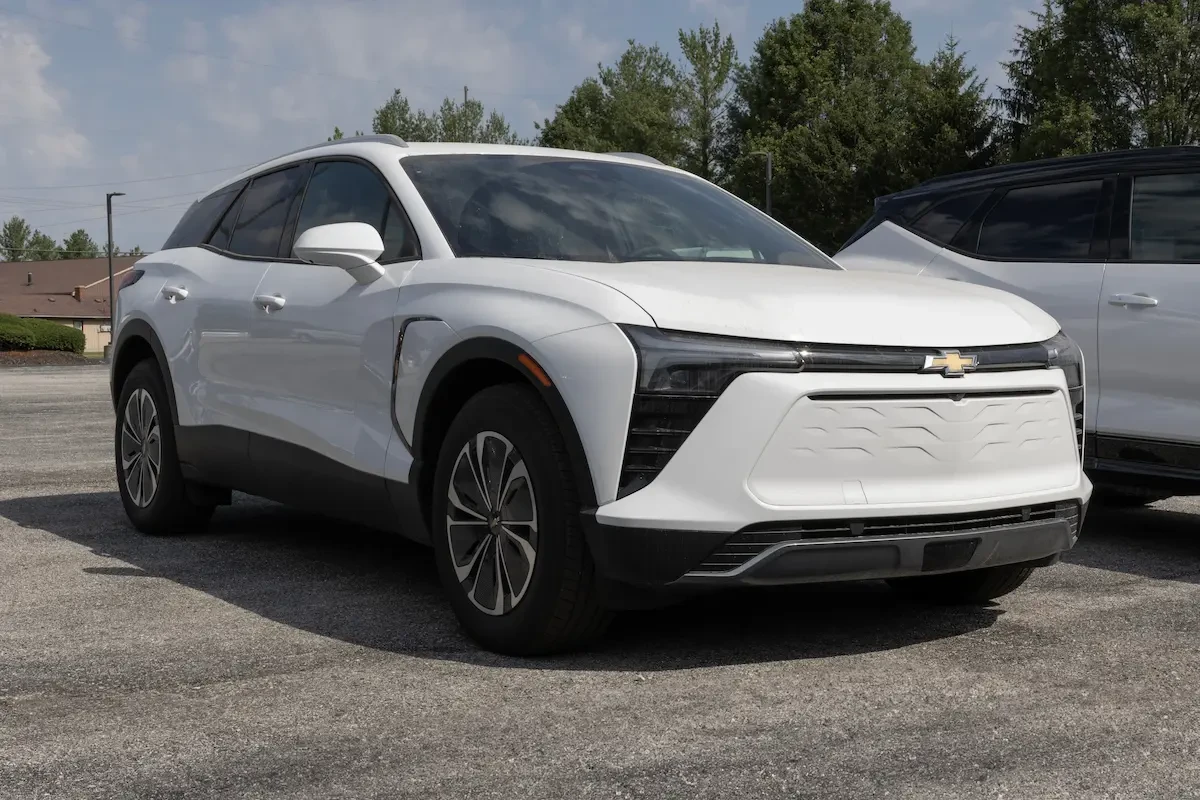
General Motors has limited ordering of 12 front frame rail service section part numbers to Collision Repair Network facilities that are GM CRN BEV compliant, according to a bulletin from the automaker. The restriction covers select EV models, including the Cadillac LYRIQ, VISTIQ, and OPTIQ, and the Chevrolet Blazer EV, Equinox EV, Silverado EV, and BrightDrop EV.
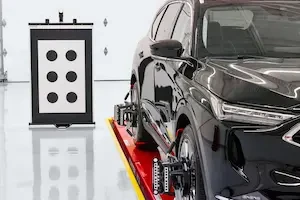
GM says the parts are "primary structural components" that manage crash energy and support ADAS performance, and that they are closely integrated with high-voltage systems and sensors. Facilities that are not CRN BEV compliant cannot order the part numbers until they meet the requirements. GM is also directing insurers to route structural BEV repairs involving these parts to compliant facilities.
Improper rear radar installation disables GM blind zone systems
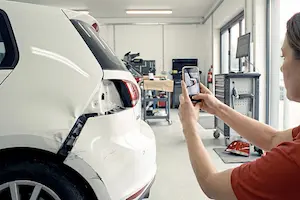
Improper installation of rear radar modules can "disable or impair Side Blind Zone Alert (SBZA), Lane Change Alert (LCA) and Rear Cross Traffic Alert (RCTA)," GM says in the Summer 2026 issue of Repair Insights. The problem typically follows body repairs or fascia replacement.
When Short Range Radar and Side Object Detection modules are installed backward or flipped, "radar signals are emitted in the wrong direction, leading to intermittent or partially functional operation." GM says the label side of each module faces the front of the vehicle and labels must be visible on the rear fascia. Drivers may see "Side Blind Zone Alert Disabled" or "Rear Cross Traffic System Disabled" messages. GM points technicians to SI Bulletin #26-NA-088.
Toyota recalls 508,354 Camrys over blank instrument clusters
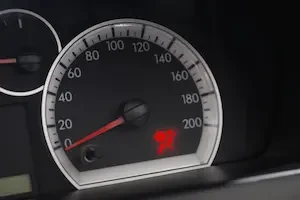
Toyota is recalling 508,354 2025-2026 Camry vehicles because "the 7-inch combination meter may become blank at startup," disabling the turn signals, hazard lamps, seat belt reminder, and smart key reminder. The campaign is NHTSA number 26V511, with Toyota recall numbers 26TB16 and 26TA16.
Toyota says the condition prevents the vehicle from meeting federal safety standards and "can cause an increased risk of injury or a crash depending on the specific situation." Dealers will update the combination meter software free of charge, and Toyota will notify customers by early October.