


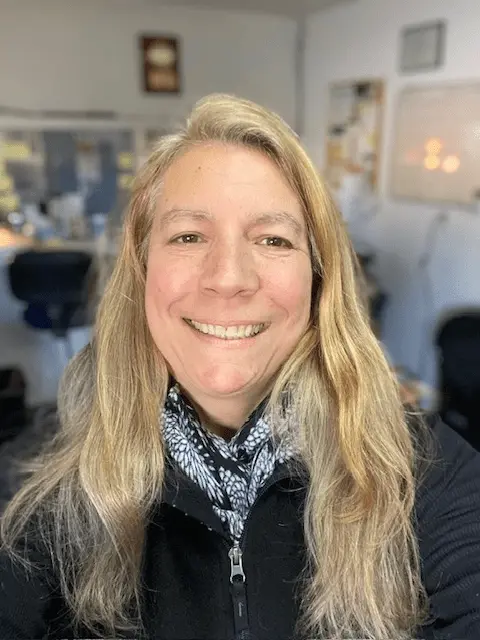
Gigi Walker didn’t enter the collision industry to pursue a career. She walked into her father’s shop, Different Drummer Auto Body in South Lake Tahoe, Calif., because he asked her to try it.
“My original dream was to become a master chef,” she said. “But that was put on the back burner — no pun intended — so I could learn the trade my father encouraged me to try.”
Her father, Tony March, was a talented body technician who’d spent his career in shops he didn’t want to replicate. The name Different Drummer said as much. “He wanted to see improvements in shop safety protocols and repair techniques,” Walker said. “For him, it wasn’t just about the repair … it was about health, family, and respect for the environment.”
That instinct would end up shaping her entire career.
The problem: a generation of painters exposed, and no one talking about it
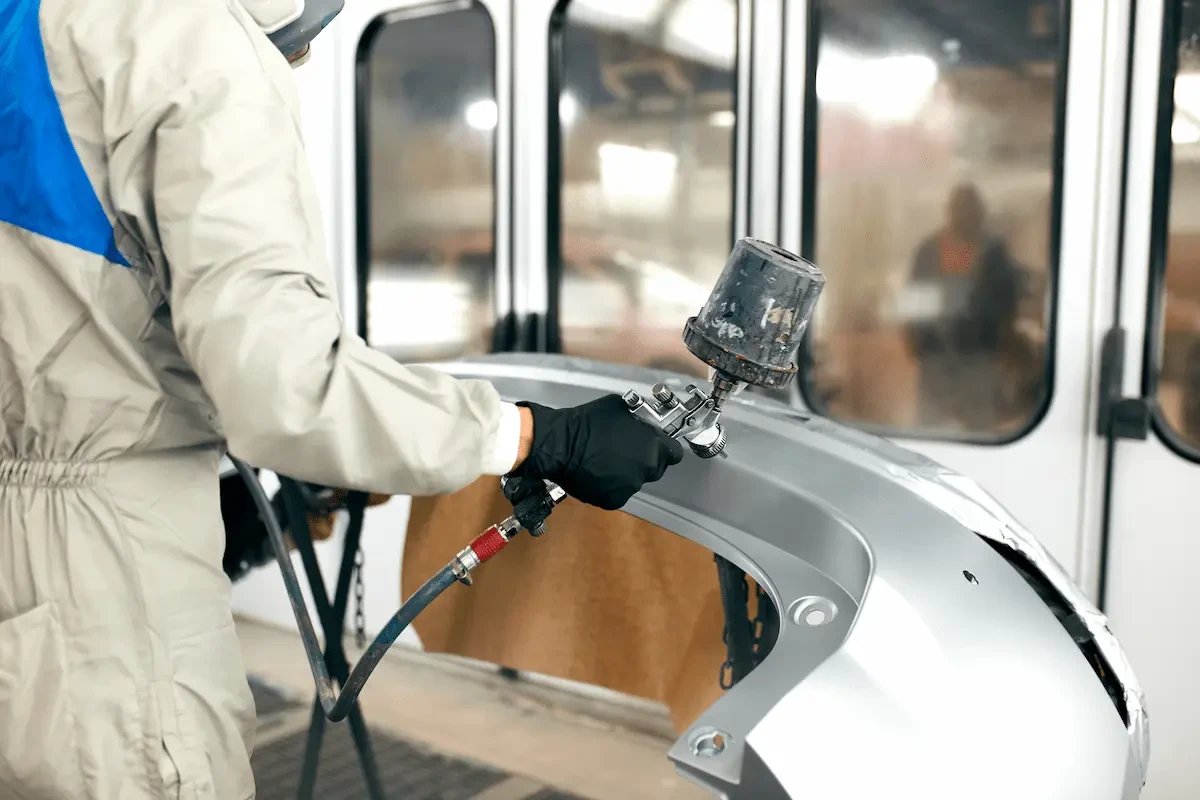
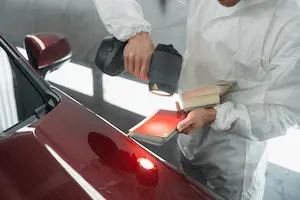
Walker started out as a lacquer painter in 1982, part of the first generation of technicians to transition to urethane paints. The switch came with a health risk the industry wasn’t yet built to talk about.
“Even with proper protection, I became concerned about the long-term effects of isocyanate exposure,” she said. “I experienced a mild reaction but addressed it quickly and became even more focused on protecting my health.”
It’s a risk that hasn’t gone away just because the paint technology has moved on. Painters today still work with isocyanate-based coatings, and the margin for error, such as a skipped respirator check, a poorly ventilated booth, a ‘just this once,’ is the same one Walker faced more than 40 years ago.
The solution: safety as a standard, not an afterthought
When Walker opened her own shop in 1988, Walker’s Auto Body & Fleet Repair, Concord, Calif., she built on the standard her father had modeled: proper safety gear, a clean and orderly workspace, and no shortcuts on protection, even when a job was running behind. That foundation, combined with a specialty in commercial fleet collision repair, is what she and her father built together in the shop’s first year.
It’s also the piece of advice she comes back to for anyone starting out. “Stay focused on the passion and drive that brought you into the industry in the first place,” she said. “You can make a very good living in this industry. It may not be the fastest path to wealth, but it can provide a stable and rewarding career if you pay attention, work hard, and live within your means.”
Setting the record straight
Walker is quick to push back on a misconception she hears often: that a university degree is the only real path to success.
“Many highly educated families believe that the only path to success is attending a university,” she said. “While higher education is valuable, trade schools are equally capable of providing rewarding, successful lifelong careers. The automotive industry offers tremendous opportunities, and there are many different paths to success within it.”
A trick of the trade that has nothing to do with paint
Ask Walker for her best trick of the trade, and it isn’t technical at all.
“Kindness,” she said. “Be kind to your coworkers, customers, suppliers, competitors, and most importantly, to yourself.”
It’s a philosophy she credits for a career she still calls rewarding, even after decades of watching the industry change around her. “The collision repair industry has something many industries lack: strong leadership, excellent associations, educational opportunities, supportive industry partners, and valuable trade events,’” she said. Her involvement with WIN (Women’s Industry Network) and the friendships she’s built through it, she added, have made her feel like the industry has come full circle for women entering the trade. She also serves on the Advisory Board for the HD Repair Forum.
Not every memory is about paint booths
Not all of Walker’s stories are about chemistry or protocol. One of her favorites involves Louie, the shop’s Jack Russell Terrier, and a transit bus that had just left the lot after repairs.
“A short time later, our lead body technician came rushing into the office asking if anyone had seen Louie,” she said. The bus driver, five miles down the road, spotted a familiar face grinning at him in the rearview mirror. “Apparently, Louie enjoyed going on goodbye bus rides. Sneaky little guy!”
What comes next
Walker plans to retire next year. Her next chapter isn’t a shop project; it’s a road trip. “I’d love to visit shops all across the country as I travel and see as many states as possible,” she said. “Along the way, I hope to reconnect with people I’ve met throughout my career and make some new friends, too.” She’s also looking forward to volunteering as an advocate for the elderly community, and, only half-joking, finally catching up on her housework.
What keeps her hopeful about the industry she’s spent 38 years in isn’t the equipment or the paint chemistry, either. It’s the people coming up behind her. “This generation has grown up with technology at their fingertips,” she said. “Watching them grow and succeed is exciting, and it gives me confidence in the future of our industry.”
For long drives, Walker’s playlist runs toward the Grateful Dead and bluegrass. Her favorite movie is a classic: “The Great Race” (1965).






Leona Scott