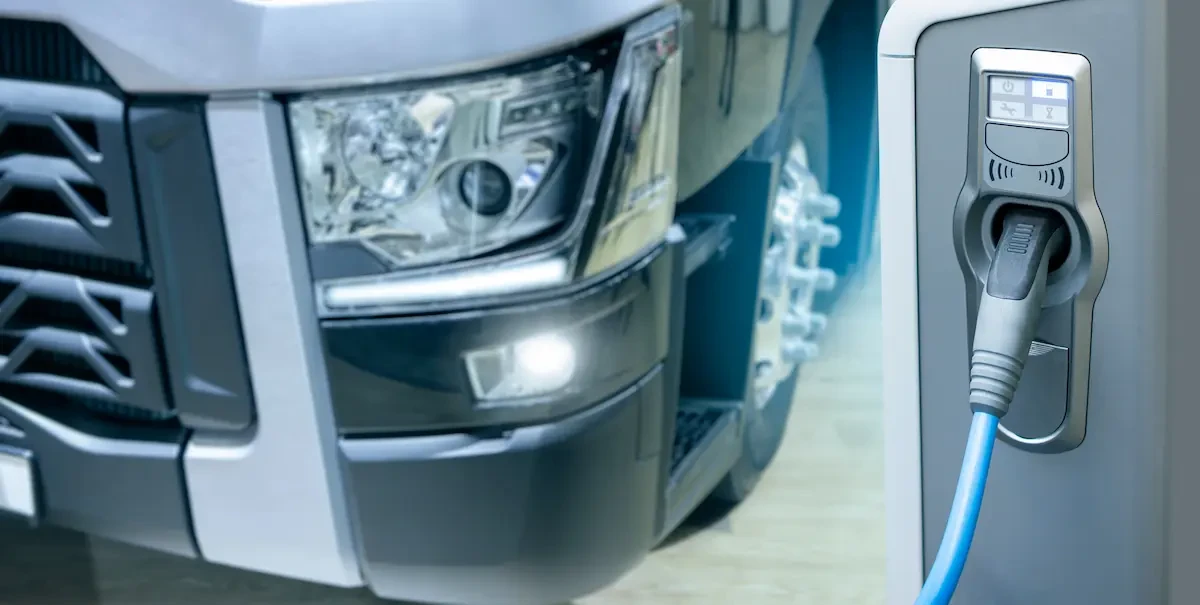
Ford Motor Co.’s development of a new electric pickup using large aluminum castings highlights a manufacturing shift that could have implications for how collision-damaged vehicles are repaired.
The automaker is using what it calls “unicasting,” a process that replaces numerous stamped and welded parts with large, single-piece aluminum castings, according to Business Insider‘s coverage of a Ford media briefing last month.
Ford discussed the casting approach as part of its development of a new electric pickup platform, according to the report.
Autoblog reported that Ford is investing $2 billion to retool its Louisville Assembly Plant in Kentucky for the new manufacturing process, with production expected to begin in 2027.
The midsize electric pickup is targeting a starting price of $30,000. At that price point, the truck could reach higher sales volumes than previous Ford EVs, which may increase how frequently collision shops encounter unicast structures.
The unicasting approach eliminates 146 separate steel structural parts compared with a conventionally built vehicle of similar size, with the castings coming in 27% lighter than the parts they replace, according to Ford.
Shift toward large cast structures gains traction
Ford’s unicasting strategy aligns with a wider industry move toward megacasting, a manufacturing method that replaces multiple components with large cast structures.
Tesla has used large-scale casting, often referred to as gigacasting, in some of its vehicle manufacturing.
Ford is not the only automaker moving in this direction. Toyota, Volvo, Hyundai, and Nissan are all evaluating or planning megacasting for future models, according to Automotive Manufacturing Solutions. Volvo has said its upcoming all-electric EX60 will use a megacast rear section. As more automakers adopt large cast structures, collision repair facilities may encounter these designs across multiple brands in the coming years.
There are multiple reasons for the shift, both at Ford and beyond. Ford said it considered repairability in developing its casting approach, according to the report.
Research from outside Ford has also examined how vehicles built with large castings may contribute to lowered repair costs. UK-based Thatcham Research published a study last fall that analyzed the Tesla Model Y, which uses a megacast rear structure, alongside the Model 3, which is built with a conventional stamped-steel assembly.
When a damaged portion of the rear structure was sectioned and replaced, the Model Y repair came in approximately £2,167 (about $2,800) below the cost of the equivalent job on the Model 3.
How collision shops can adapt
The introduction of cast structural components may require collision repair facilities to closely follow OEM repair procedures as they become available for these new designs. As vehicle construction methods evolve, shops may need to assess how different structural approaches affect repair planning, tooling, and technician training.
Thatcham's analysis described how the repair process differs from traditional structural work. Darren Bright, the firm's principal engineer for automotive repair, said Tesla's repair parts for gigacast sections feature slots designed to slide into the casting and attach with adhesive, structural rivets, and bolts. "There's no welding involved," Bright said, according to WardsAuto.
Some operators are already adapting to similar the existing structural changes and preparing for more.
“In short, we’ve taken a proactive approach to aggressively outfit all our locations with the riveting and repair equipment needed to service these assemblies,” said Dustin Harrier, vice president of training and technology at Crash Champions.
Harrier said the company has worked with Tesla across its 35 certified locations to ensure that they were prepared for both the tooling and training changes as gigacasting has been introduced.
“Although casting has replaced countless smaller components, the focus on repairability hasn’t changed using their OEM procedures. In some ways, replacing one large assembly vs several smaller components can be just as efficient.”
He added that the company has also made investments to prepare for broader adoption of similar designs.
“As more OEMs continue to optimize the manufacturing process by introducing large cast assemblies, we have already laid the groundwork for tooling and training to meet the OEMs as these technologies are introduced,” Harrier said.
Collision repair facilities may benefit from monitoring how automakers implement new structural designs and how those designs affect repair procedures. Shops that align with OEM requirements and invest in training and equipment where needed could be better positioned as cast structures become more common.