


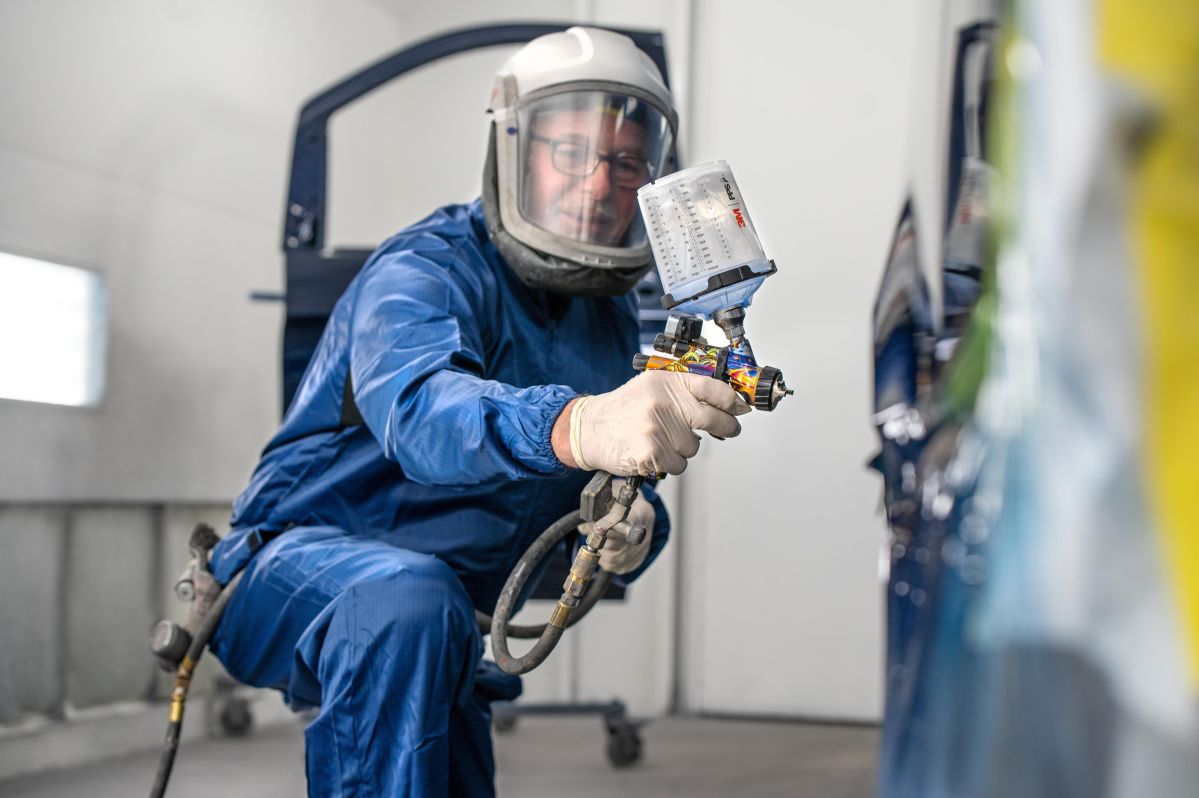
Jay Goninen is the co-founder and president of WrenchWay, and one of the loudest and most effective voices when it comes to solving our industry's talent challenges.
In a recent episode of The Collision Vision podcast, driven by Autobody News and hosted by Cole Strandberg, Goninen provided a high-level view on the current state of the industry, technician shortages, economic shutdowns, generational shifts and how forward-thinking shop owners can use this moment to build momentum.
Creating Opportunities During the Current Slowdown
Goninen said it’s “kind of mind blowing” to hear about shops’ work slowing down in general, because he talks to some shop owners who are still struggling to keep up with demand.
However, “there are more and more shops that have been talking through a slowdown and how that's impacted what they need for staffing right now,” he said. “I do sense maybe a little bit less pressure on shops to find that skilled talent.”
The pendulum seems to have swung the other way, to a need to find more work, rather than more staff.
“But I do think there are fair number [of shops] that are still relatively busy,” Goninen said.
Strandberg asked if a recently reported drop in body tech job openings in shops is simply supply meeting demand as work has slowed down, or if the industry has made headway in attracting more talent.
“I'd like to say that the efforts have helped us catch up,” Goninen said. “I do think it's made a dent.”
But other factors imply “this is probably more reflective of how busy the shops are in general,” he added.
For instance, Goninen said, he recently read a report from the U.S. Department of Transportation showing, as of August, vehicle miles driven were up 1.5%.
“Why would the [claims] falloff happen if the miles driven has actually gone up?” he said. “I think it's maybe more of a reflection of a business slowdown versus an actual catching up to the technician shortage.”
Goninen doesn’t think the current slowdown is a long-term trend, which is why now is a good time for forward-thinking shops to start a program to develop their technicians, so they are prepared when trends move the other way again.
“My one word of caution is very similar to a LinkedIn video I had put out in 2020, which was the advice of the great Warren Buffett,” Goninen said. “I'm going to murder this quote, I'm not going to say it correctly, but basically what he says is that if everybody is running one direction, run the other.
“If you're confident that business is going to be coming back and you're in kind of a slow time right now, it's a great time to take the excuses away from growing that next generation of technician up for your shop,” he said.
Goninen said people thought he was crazy to suggest that in the early days of the pandemic in April 2020, when some collision repair businesses were laying off large numbers of people.
“If you have the chance to get that great technician, yes, it causes maybe a cash flow issue in the short term, but maybe that puts a little bit more pressure on you to go find that business,” he said. “Maybe it's the optimist in me that kind of sees the light in any situation.”
The current slowdown eliminates the excuses from the past five years of being too busy to start a technician development program.
“Those excuses are kind of out the window right now if you're slow,” Goninen said. “So use that opportunity to your benefit and really help yourself grow a long term, sustainable plan for the future.”
The Future of ADAS Calibrations
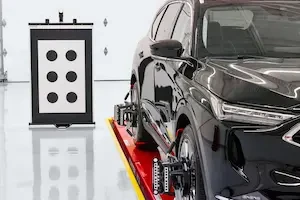
There is a lot of concern among shops related to keeping up with evolving ADAS features, Goninen said, and whether calibration services should be sublet or handled internally.
“It's a hard decision to make at times,” he said.
Keeping those services in-house can reduce cycle times and increase profitability, but shop owners also have to worry that expensive equipment will be obsolete in five years, or that they won’t have enough ADAS calibration work coming in to justify the purchase.
“From a business owner perspective, I get the sense that does make people a little bit nervous, because you could make a huge investment for a gigantic paperweight to sit inside of your shop,” Goninen said.
OEMs are also still figuring out repair procedures when ADAS is involved in a modified vehicle. Goninen said he heard of a student who reached out to I-CAR because they put a 2-inch lift on a Ford F-250 pickup, but the OEM repair procedures called for the suspension to be returned to standard height before doing any calibrations.
“To his point he was like, well, then it doesn't make any sense,” Goninen said. “You're raising it back up again. It's not going to be accurate.”
Attracting the Next Generation of Talent
Goninen said organizations like I-CAR working on a macro level to try to attract young people into the industry are concentrating on proper training, due to rapidly evolving vehicles and repair procedures.
“I think the folks more on that macro side are starting to take a step back and look at it from a macro view, instead of just constantly hearing from folks that we have this technician shortage, they're actually doing some things to address that,” he said.
I-CAR’s Collision Careers is “taking a lead on that,” Goninen said, as the initiative, launched in collaboration with the Collision Repair Education Foundation (CREF), provides resources for students and career changers interested in joining the industry.
But it’s more than I-CAR, CREF or WrenchWay, he said: “There are so many people that are rowing in the right direction now.”
Those organizations are looking to build long term, sustainable programs that can continually bring new talent while competing against other trades for potential employees — trades that are offering good benefits and pay.
Attraction is not the only piece that needs to be addressed, Goninen said. Retention is also a problem.
“We have a problem with keeping people in the industry,” he said. “We still need to figure out ways to make our techs happier. We need to figure out ways that that 60-year-old that's getting close to retirement goes away really, really happy rather than spiteful, and maybe going on social media and saying, ‘Why in the world would you ever expose yourself to chemicals? Why in the world would you ever do any of this stuff?’”
Goninen said shops can help address that by checking in with their employees on how satisfied they are with their job, and what could make it better.
“By doing that, I think that helps the rest of the pipeline come along,” he said.




Abby Andrews