
Editor's note: John Melendez, owner of JDM Collision in the Chicagoland area, reported on his participation in a panel discussion during Automotive USA 2025, held Oct. 29-30 in Detroit, MI.
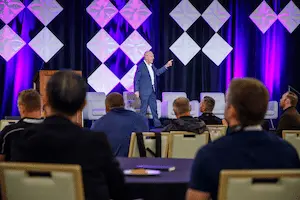
Today in Detroit, the collision repair industry took an important step forward. During the panel “Safety Beyond the Factory: Rethinking Repair, Recalibration, and Readiness in the Software-Defined Vehicle (SDV) Era,” moderated by Bud Center of I-CAR, I had the privilege of joining Darrell Amberson, vice president of Industry & OEM Relations at Quality Collision Group; Krishna Kommineni, senior engineering manager at General Motors; and other leaders to tackle one of the most pressing challenges in modern vehicle repair: ensuring safety-critical systems are fully restored to OEM standards after a collision.
The discussion was clear, precise and solutions-focused. As Amberson pointed out, repairing structure and appearance alone is no longer sufficient — collision repair must also restore system functionality, recalibration integrity and ADAS performance.
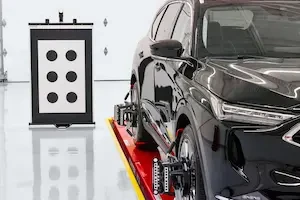
From the shop perspective, I highlighted the everyday challenges repairers face: tooling limitations, insufficient technician training, and limited access to OEM data. These gaps can directly affect the accuracy of post-collision recalibrations and safety verifications. The panel agreed that structured, hands-on I-CAR training, paired with OEM procedures, is the industry backbone for safe and verifiable repairs.
Collaboration Is Key
One of the most important takeaways was the willingness of OEM leadership to collaborate with repairers and training organizations. Kommineni outlined GM’s approach to ensuring calibration integrity as vehicles become increasingly software-defined. He emphasized the need for simplified, standardized safety protocols that verify ADAS and other critical systems post-repair.
In response, I recommended annual re-validation certification for ADAS technicians in controlled, in-shop environments — not mobile or online-only formats — to ensure true competency. Amberson proposed integrating an internal diagnostic safety check accessible via the vehicle touchscreen, showing exactly which post-collision inspections are required based on configuration and installed options.
The panel and audience were highly receptive to these recommendations, recognizing them as a blueprint for industry-wide best practices.
A Statement for the Industry
The discussion made one point undeniably clear: the collision repair industry must evolve. Restoring structure and appearance is no longer enough. Every repair must also restore safety-critical systems to OEM standards, verified through proper recalibration and post-collision inspection protocols.
This panel serves as a concrete example of how collaboration between repairers, OEMs and training organizations can define a path forward. By implementing these protocols, the industry can ensure vehicles leave repair facilities fully safe, compliant, and road-ready — protecting consumers, preserving trust and keeping pace with the rapid evolution of software-defined vehicles.
The message is clear: the future of collision repair is precise, certified and collaborative — and it starts now.