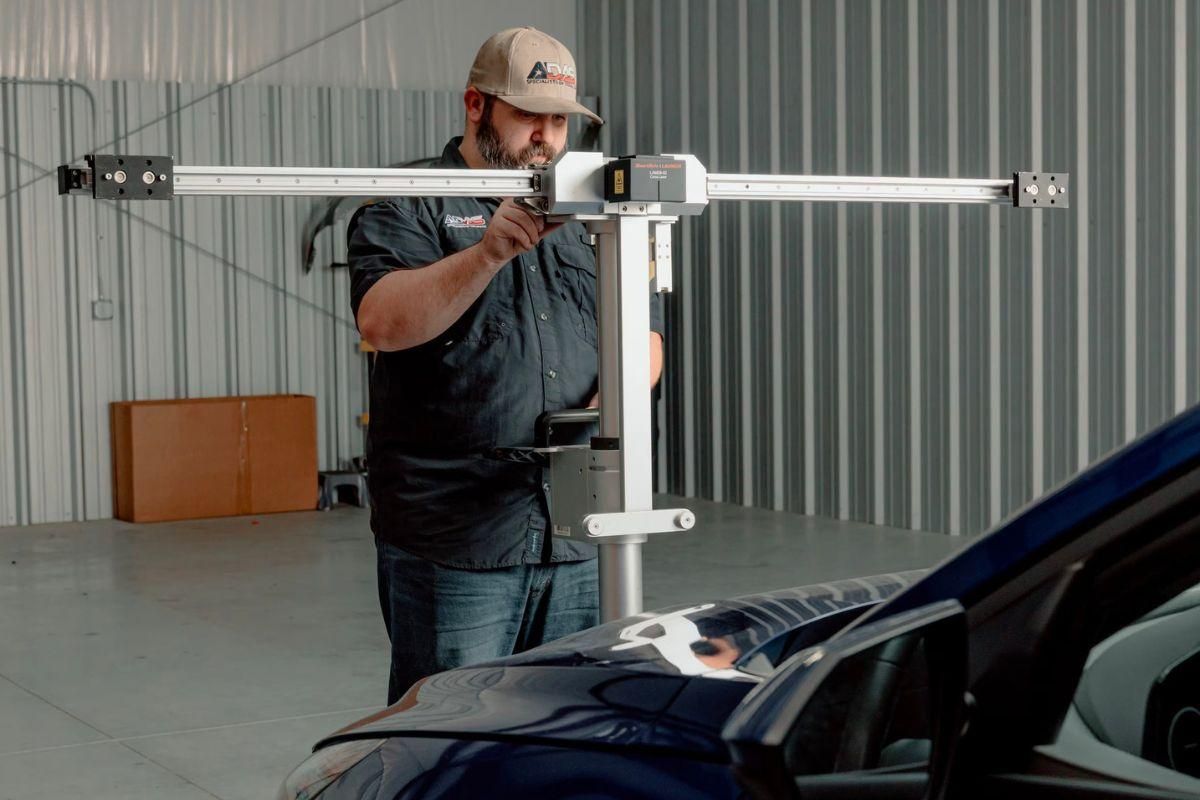
SEMA is calling on the U.S. Department of Transportation (USDOT) and Congress to embed clear, enforceable ADAS policies into the upcoming surface transportation reauthorization bill, known as the “highway bill.” The goal: empower aftermarket specialists — including collision repair and customization shops — with the crucial technical information, access and standards needed to safely modify ADAS equipped vehicles throughout their lifecycle.
SEMA President and CEO Mike Spagnola emphasized in a letter to USDOT on Aug. 20 that the aftermarket historically introduced popular safety features, from backup cameras to side view mirrors, and now seeks the means to support ADAS researchers and calibration in common vehicle modifications, such as lift kits, bike racks and wraps. The letter requests that federal policymaking:
• Establish modification guidelines and tolerances
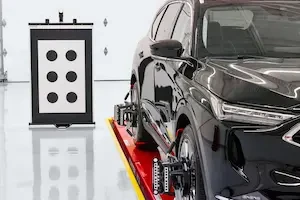
• Define calibration protocols and neutral validation standards
• Introduce visible or electronic diagnostic ADAS indicators
• Require OEMs to guarantee full lifecycle support
• Ensure access to vehicle dynamic systems data
These actions are essential to maintaining safety and ensuring the aftermarket industry can continue offering compliant, reliable services.
"Safety is a primary concern and core focus for the automotive aftermarket," said Spagnola in the organization's letter to USDOT. "When cars and trucks needed to be safer, the automotive aftermarket was there; when seat belts, backup cameras, sideview and enhanced rearview mirrors were still optional equipment, it was the aftermarket that sparked their popularization and made them widely available. Today, with ADAS offered in most newer vehicles, the aftermarket is developing products that are compatible with the many safety features these vehicles provide, along with providing collision avoidance systems and blind spot monitors for older vehicles."
Aftermarket Voices & Policy Momentum
At a June 26 hearing of the House Energy and Commerce Subcommittee, SEMA reinforced these points. In a submitted statement, Spagnola warned that shops and owners currently encounter “a growing challenge: they lack clear pathways to maintain the safety and performance integrity of ADAS from production through post sale service, repair and modification,” noting that simple modifications, like adding a winch to the front bumper, can upset ADAS sensors’ alignment and performance.
Spagnola also cited automakers' refusal to share calibration data or guidance and offered his organization's recommendations to Congress for addressing these gaps.