

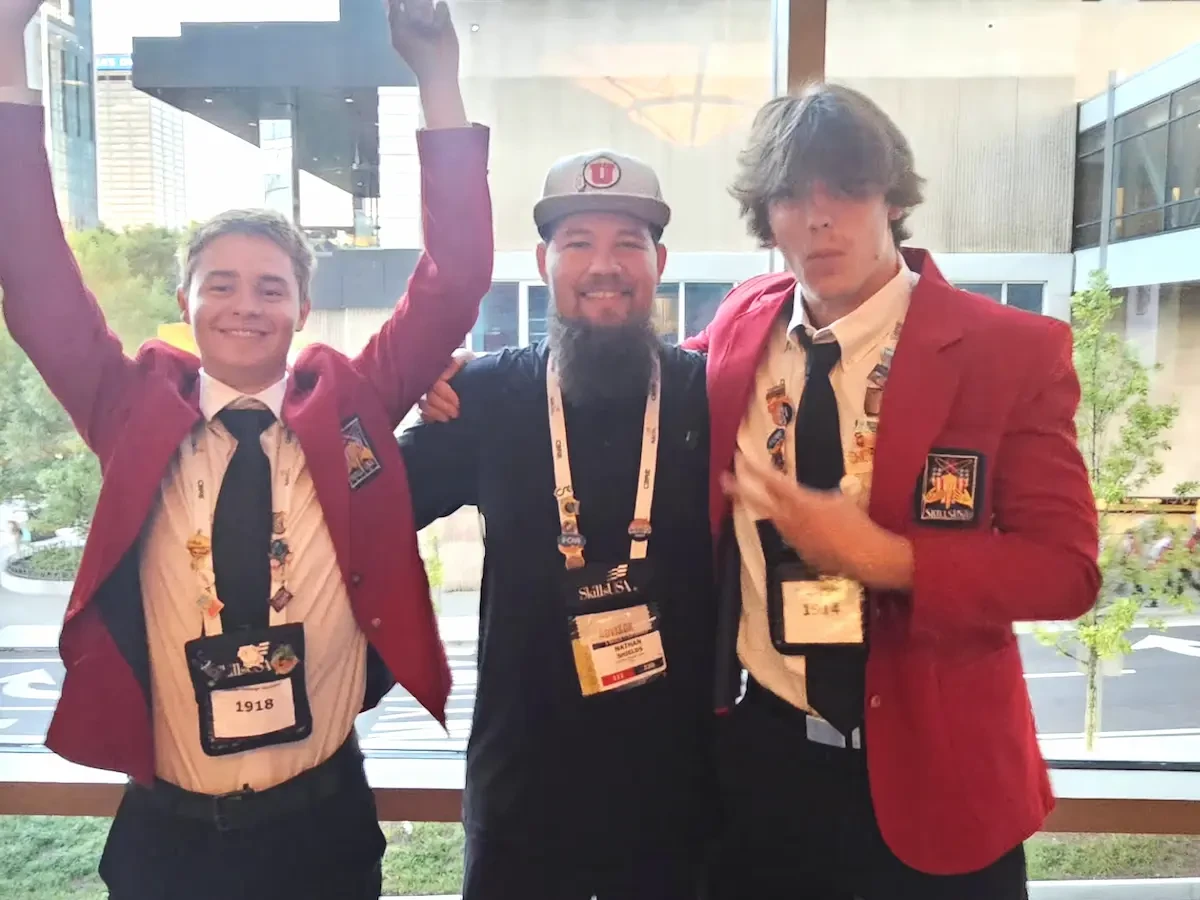
The last day of the semester was supposed to be simple: fajitas, laughter, and a chance for students to celebrate finishing another term in the collision repair program.
Instead, it turned into a story that Nathan Shields and his students still laugh about. Every year, Shields, who is an auto collision repair instructor at the Jordan Academy for Technology & Careers in Sandy, Utah, hosts “Fajita Friday” as a fun way to wrap up the semester and bring the class together. One particular student had been looking forward to the event all term. Even though he wasn’t feeling well, he showed up anyway, determined not to miss it.
But shortly after arriving, he turned pale and began passing out. Before long, an ambulance had been called. Thankfully, the student turned out to be fine; he simply had the flu. But the incident quickly became legendary in the class.
“We laughed about it for the rest of the school year,” Shields says. “After that, the other students joked that my fajitas were ‘to die for.’”
A full-circle career
Shields’ path into the trade started at home. His uncle worked in collision repair, and those early conversations planted a seed. When Shields enrolled in a collision repair program in high school — the same program he now teaches — he found something that clicked.
“I quickly discovered a passion for improving and creating,” he says.
After graduating, he spent more than 13 years in the industry before stepping into the instructor role. Today, he also serves as an advisor for SkillsUSA’s Utah chapter, helping connect students to competitive and professional opportunities beyond the classroom. Teaching the same program that launched his own career gives the work a particular resonance. He knows firsthand where these students are starting from and where they can end up.
What the job is really about
Ask Shields what he loves most about teaching, and he doesn't talk about tools or equipment. He talks about people.
“I enjoy mentoring students as they discover their passions,” he says. “It’s incredibly fulfilling to give students skills that will serve them for a lifetime and open doors to future careers.”
His students arrive with different goals. Some are building toward a career in the trade. Others are there for a practical skill or out of sheer curiosity. Shields welcomes all of it. In his view, what matters is that they leave with skills they can apply.
“Even when their paths lead them outside of collision repair, it's gratifying to know that our impact as teachers inspires them to stay connected and celebrate their successes with us.”
The advice he gives every new student
When students are just starting, Shields gives them a piece of advice that sounds almost too simple.
“Mastering the correct techniques from the very beginning is essential," he says. "Focus on accuracy first, and speed will naturally follow.”
It’s advice that is rooted in his experience: Technicians who rush early tend to develop habits that are hard to undo. Those who take the time to do things right build a foundation that pays off for years.
“When you consistently perform repairs the right way, your efficiency will increase over time,” he says. “And with that efficiency comes greater earning potential.”
The discipline of routine
One of the less obvious things Shields teaches is the value of routine.
During his years in the shop, he learned that consistent daily habits such as how you set up your workspace, how you organize your tools, how you approach each job before you start it, have an outsized effect on both quality and speed.
“Establishing effective routines is one of the most valuable tricks of the trade,” he says. “Developing positive habits and following them daily creates a strong foundation for success.”
It’s a lesson that transfers well beyond the shop floor. Students who internalize it don’t just become better technicians, they tend to become more reliable in every setting they enter.
The industry is bigger than you think
One of the first misconceptions Shields works to correct is the idea that collision repair means body shops alone.
“One common misconception students have is that you only have to work in collision repair,” he says.
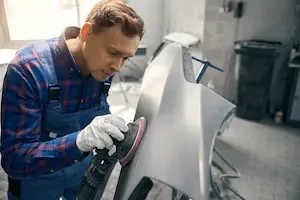
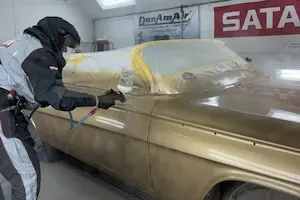
In reality, the finishing and refinishing skills developed in his program are in demand across a wide range of industries. Medical equipment, ATMs, aircraft interiors, private jets are some of the many fields that require precision coatings or bodywork.
“The same skill sets learned in this class can apply anywhere that requires coatings or body work,” Shields says. For students exploring technical careers, that range of options reframes the whole conversation about what’s possible.
What keeps him engaged
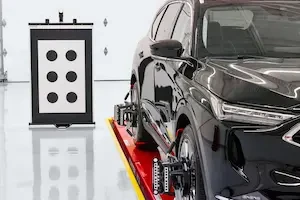
The collision repair industry is changing quickly. New materials, new vehicle systems, new calibration requirements; the job looks different from what it did even five years ago. For some instructors, keeping up with the pace of change is a challenge. For Shields, it’s part of the draw.
“Seeing all the new technology and how it helps technicians create safer repairs is really exciting,” he says. “It’s exciting to learn those things and then teach them to students.”
Outside the classroom, Shields has a dream project that’s been on his list for a while: a full restoration of a classic Chevelle SS or Chevy Nova.
And when it comes to automotive entertainment, Shields has a favorite film that captures the excitement of car culture: “Gone in 60 Seconds.”
For Shields, though, the real excitement comes from watching students build their own futures: one repair, one lesson and occasionally one unforgettable Fajita Friday at a time.





Leona Scott