



Despite rapid expansion over the past six years, family values still anchor Auto Pro Collision and the Cina brothers — Sebastian Jr. and Corrado — who manage the company’s six locations.
Their father, Sebastian Cina, began the company in 1994 in Staten Island, NY. The family was familiar with the auto industry; the brothers’ grandfather had owned a series of dealerships in the area. Autobody work started in the dealerships and grew over the years.
The brothers had just graduated from business school — Sebastian from Mount Saint Mary College and Corrado from the University of Albany — when their father ushered them into the industry. The plan was to have a shop for each of them to run. The plan quickly took on a life of its own.
In 2014, the family purchased a second Auto Pro location in Edison, NJ. It was the beginning of a series of expansions into the state. Three years later, they opened another location in Freehold, and in mid-2019, they opened a fourth location in Piscataway. A fifth store opened in Morganville in December 2022, and the latest Auto Pro store opened in Iselin in May 2024. So, how did a family business become a multiple-shop operation, and how did it happen in comparatively quick order? The Cina brothers spoke with Autobody News to detail the process and dole out advice for those looking to follow in their footsteps.
Building relationships
The brothers credit a lot of their success to the relationships they’ve built with the shop owners who have sold businesses to them.
“A lot of them are family-owned businesses that have been in the family for 40-plus years,” Sebastian said. “It’s really beautiful to see that, and we try to still keep that relationship with that old owner that we purchased that business from.”
They’ve socialized with sellers over lunch at private residences and through shared interests, car racing and heritage.
“Just keeping that relationship with them, even though that was their baby — they built that business from the ground up — we still want them to feel like they have somewhere to go if they ever want to stop by and still be part of it,” Sebastian said.
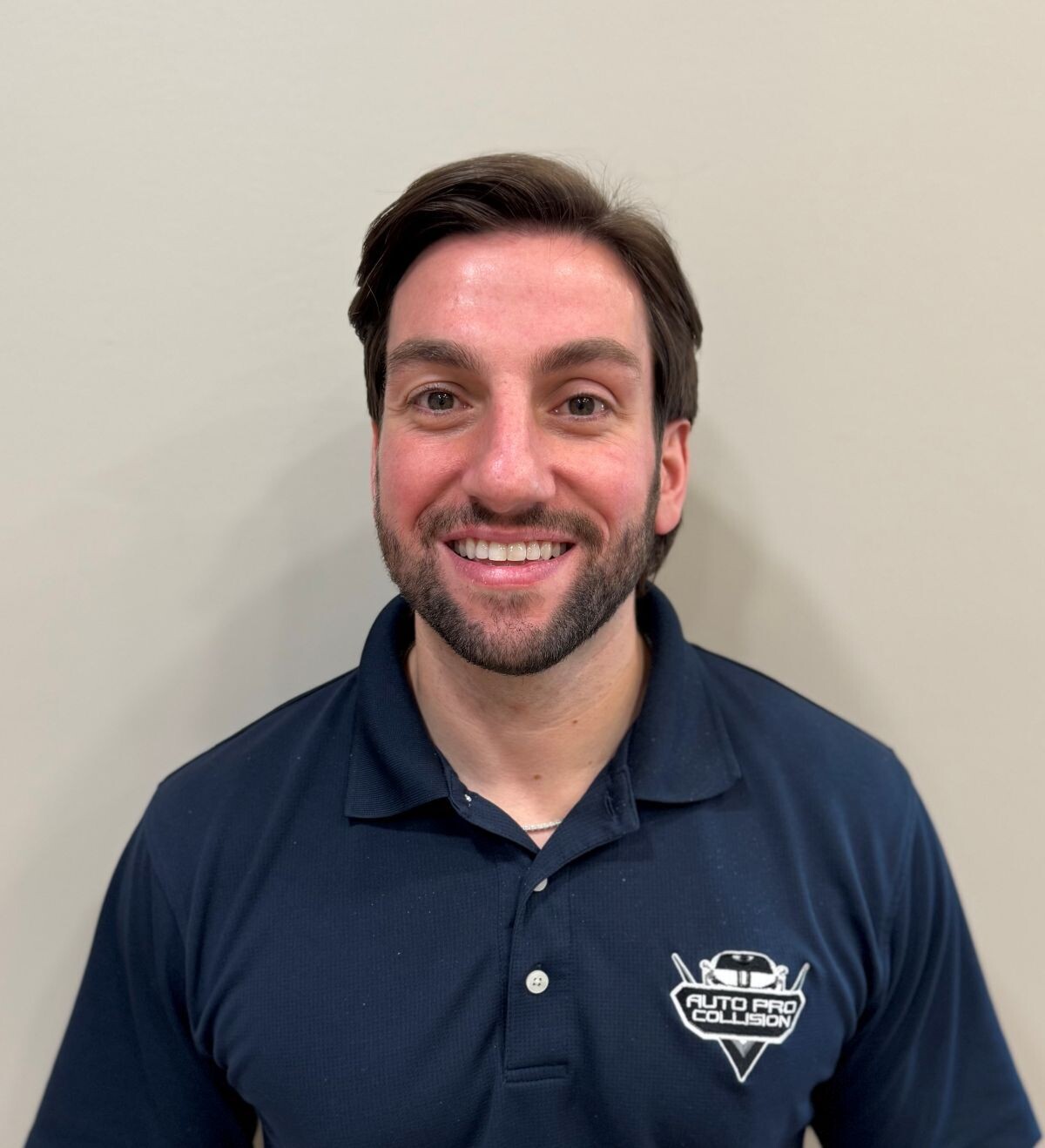 Corrado Cina handles administrative responsibilities across the company’s six stores.The acquisition process, Corrado said, has unfolded every time with the Cina family getting word of an impending retirement through vendors or other industry members. Auto Pro’s emphasis on a family feel encompasses employees and customers and has appealed to those considering a sale. It’s helped, he said, that the Cinas’ expansion desires are common knowledge among a certain group of shop owners.
“The biggest concern for them is they want it to go to the right person; they don’t want it to go down the drain — all these years, the business that they built,” Corrado said. “And then, they’re obviously concerned about their customers. They’re going to have repeat customers they want to pass on to someone who’s reputable and believes in the same values that they do.”
Acquiring new locations
The ins and outs of the actual acquisition process vary. Most changes of ownership, Corrado said, take about six months.
“We start the dialogue, we visit the shop, and then we just build that relationship, and that allows us to build trust with them, so they see what we’re about,” he explained. “And then, it leads to, ultimately, them feeling comfortable and going through with that sale.”
Some owners waver when it comes time to move forward. The latest acquisition began as a quick sale, but the owner had reservations before returning to the table. The brothers were unruffled.
“We’ve witnessed it and have experienced it before, so we’re used to it, and again, you never want to be pushy,” Corrado said. “It’s hard for us because we’re second generation. We can imagine what it would be like for my father to let go of the keys. So, we’re very sensitive to that.”
At times, the brothers have swung by shops they’re looking to purchase at night when employees are gone. Sometimes, they visit during the workday. They’ve navigated acquisitions in which owners didn’t inform employees until the final hours before the change of ownership.
One thing they almost always do now is bring in personnel from existing locations to a new shop to talk about culture. And the brothers are present at new locations.
“We get to know everybody’s name, their history, their family information,” Corrado said.
Daily operations
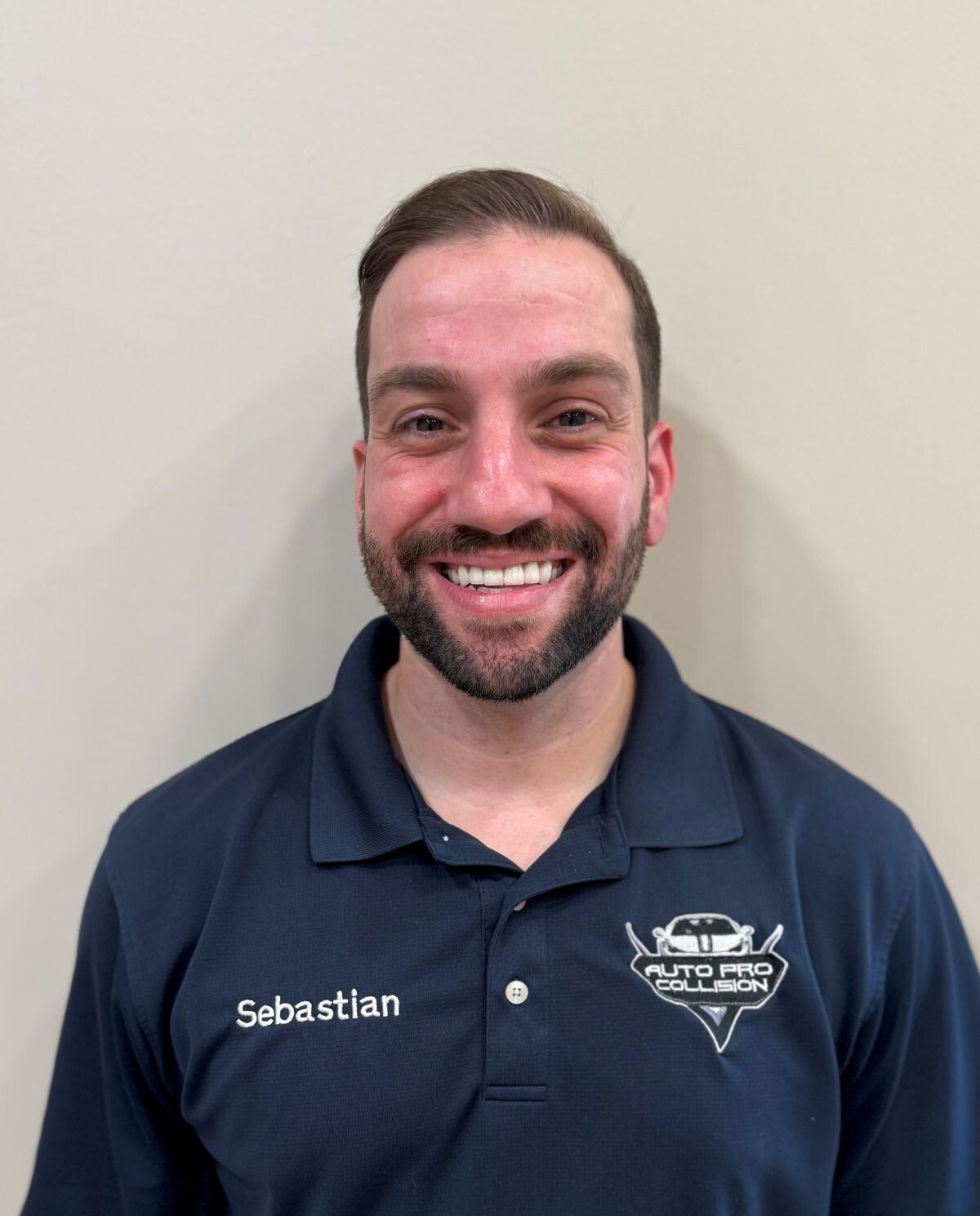 Sebastian Cina Jr. now handles production and operations at Auto Pro.At this point, company-wide, Auto Pro is churning out 400 to 500 repaired vehicles a month with 85 employees on payroll. Sebastian handles production and operation, and Corrado is on the administrative side of things. Running six shops takes constant communication and organization.
Sebastian checks metrics from managers daily to see if there are vehicles that haven’t been started and what’s coming in to plan the day ahead. He’s in and out of each store regularly, but he uses electronic systems to assist managers without having to be on-site. Auto Pro uses CCC Intelligent Solutions to standardize processes across shops.
Corrado, meanwhile, is handling accounting matters and working with managers at all locations on processes. The brothers report information to each other to see where processes and implementation can be tweaked.
Growth and optimization
Continued growth is definitely on the radar, but it has to be done conscientiously, Corrado said. They’ve paused acquisitions while moving the company to paperless operations, but that moratorium may soon lift.
“We don’t want to grow just for the sake of growing. It has to be right for us; it has to be right for where we are mapped,” Corrado said. “If we can’t do the right job by the customer, we’re not just going to do it just for the sake of growing. But we do feel that we’re both interested in taking it to the next level, seeing how big we can get.”
Before growth, though, comes optimization in the brothers’ minds. They currently use the CCC Central Review feature, which enables parameters for different estimators, insurance companies, and dollar amounts. In using this feature to review files, Corrado has found that it’s possible to regularly add about $100 per file. Consistent training for new hires, given the six-facility company layout, and emphasizing the administrative parts of the work also help. Expansion through marketing and networking is important, but the first priority is maximizing the current workload and capturing more jobs.
“We already have work under our roof, so are we squeezing the orange or juicing it as much as physically possible?” Sebastian said. “So, [it’s] capturing what we have and then making sure that we’re getting as much as we possibly can from each job.”
Setting standard operating procedures is key for shop owners looking to expand to new locations, Corrado asserted. But it’s also important, he said, to simply take steps toward growth if that’s the desire.
“My father just did it. He took the leap of faith, and now we’re here,” he said. “If you had said, ‘Hey, you’re going to have six locations in 10 years,’ I would have said, ‘You’re crazy.’”







Elizabeth Green