
Labor shortages, insurance pressure, and shrinking margins are all hot topics in the collision repair industry. Many shops are fighting these challenges by cutting costs or chasing volume, but one independent shop owner is taking a different approach: using mechanical certifications to reclaim revenue.
In the latest episode of The Collision Vision, John Melendez, owner of JDM Collision in Thornton, Ill., discussed challenges and solutions regarding certification, specialization, and in-house services. His experience offers concrete lessons for collision repairers navigating increasingly complex vehicles and tougher financial realities.
The podcast showcases how Melendez made changes to his operation to meet these industry challenges head on. Here are the highlights:
In-house mechanical services can reduce cycle time and increase revenue
One-stop service isn’t just convenient. It can improve repair accuracy and reduce delays tied to outside vendors.
Melendez noted that keeping mechanical work internal at JDM Collision has increased revenue, shortened repair timelines, and improved damage discovery.
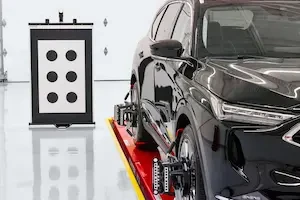
“The cycle time did decrease … not having to take people to drive down the street to an alignment center changed everything,” he said.
Pairing ASE + I-CAR creates real leverage
Melendez was clear that certifications can change outcomes. For years, he held the same technical qualifications as dealership technicians yet was paid less simply because he operated an independent shop
But that’s changed. By pairing ASE mechanical certifications with I-CAR collision training, JDM Collision gained authority that could not be easily dismissed by insurers.
“Education is giving us the right direction to identify this damage and be compensated accordingly,” he said.
Subletting can be a liability risk
Before rescaling his shop, Melendez routinely sublet alignments. The result was lost margin, longer cycle times, and increased liability exposure.
“I got tired of getting a car back that wasn’t properly aligned … and your exposure, your liability exposure, when you sublet out is still the responsibility of that shop,” said Melendez.
By bringing these services in-house, JDM is working to reduce dependency on outside vendors and regain control of both quality and profitability.
Niche specialization beats volume for independent shops
Independent shops don’t necessarily need to imitate MSO volume. Instead, Melendez focuses on specialization, precision, and credentials.
“We’re a smaller shop … 13,000 square feet … but it’s so much more manageable to maintain that business,” he said.
Melendez believes in having the right technicians in place and focusing on quality rather than volume. If you focus on quality, the volume will follow, he said.
Technician shortage solutions can start with development
Melendez has recently added some new talent to JDM, upscaling technicians within his business and investing in internal development.
He also regularly supports local schools and talent initiatives. He even took an individual that started with him eight years ago from tow truck driver to a master status technician.
While internal development can be expensive upfront, the long-term payoff is retention, loyalty, and technical consistency.
“Education is so important today, regardless of the cost, if it’s going to benefit the business,” Melendez said. said
ASE credentials change the insurance conversation
Melendez said that having ASE credentials gives his shop more leverage in communications with insurance.
He suggests shops investigate what models are predominately driven in their area. “Then you know where you can specialize or network with these dealers that do not have their own collision centers, but truly provide them with a certified technician that can stand their ground,” he said.
Education as a Business Strategy
Throughout the conversation, one theme was consistent: education drives outcomes. By combining ASE mechanical certifications with I-CAR training, Melendez turned technical knowledge into business leverage.
The collision repair industry is under pressure from every direction. But shops may find new pathways to success when they are willing to be creative with operation expansion, education, and talent development.
Want more insights from John and Cole? Watch or listen to the full episode of the podcast now, or check out our roundtable discussion where our panel of experts takes a deep dive into ASE mechanical in a collision shop.