


As collision repair businesses face increasingly complex legislative and regulatory challenges, a growing number of state associations are reaching the same conclusion: volunteer advocacy alone is no longer enough.
The Florida Auto Body Association (FABA) recently became the latest organization to invest in professional legislative representation by hiring veteran government relations professional Foyt Ralston. While the decision marks an important milestone for Florida, association leaders say it reflects a broader shift across the collision repair industry.
“Our goal in hiring a lobbyist is to ensure that both Florida consumers and collision repair professionals have a strong voice in the legislative process,” says Ementi Coary, executive director of FABA. “Every day, families across our state depend on safe, proper repairs to protect the people they love. FABA wants to work with lawmakers to support policies that prioritize consumer safety, preserve the right to choose a repair facility, promote quality repairs performed according to manufacturer standards, and strengthen the businesses that serve our communities …”
Why now?
According to Coary, the decision was driven less by a single legislative issue than by the industry’s rapid evolution.
Vehicle technology, advanced driver assistance systems (ADAS), insurer practices, and changing regulations all continue to reshape collision repair. As those changes accelerate, FABA’s board concluded it was time to establish a consistent presence in Tallahassee to help educate lawmakers and monitor legislation before it affects repairers and consumers.
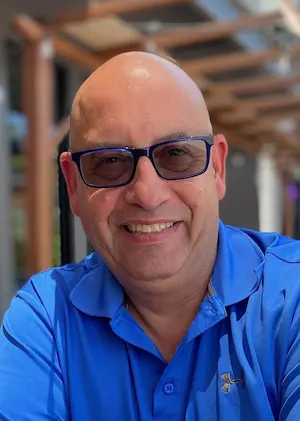
“... Today’s vehicles are equipped with advanced safety systems, complex technology, and manufacturer repair procedures that directly impact the safety of Florida drivers and their families. That’s why now is the right time for FABA to have a dedicated voice in Tallahassee.
“Our goal isn’t simply to react to legislation; it’s to be proactive … By establishing a consistent presence with lawmakers, FABA can help shape informed decisions that benefit consumers, strengthen our industry, and keep Florida’s roads safer for everyone,” Coary said.
Coary said consumer safety remains the association’s guiding principle. Rather than responding after legislation has already gained momentum, FABA wants to help policymakers understand how proposed laws affect vehicle owners, repair facilities, and the ability to return vehicles to pre-accident condition using safe and proper repair procedures.
Florida isn’t alone
Florida’s decision mirrors the path taken by several other state collision repair associations that have already invested in professional lobbying.
In Oklahoma, association leaders realized that keeping up with legislative activity had become too demanding for volunteer leaders whose primary responsibility is operating collision repair businesses.
“As our association became more engaged in legislative issues affecting the collision repair industry, we recognized that navigating the legislative process required expertise beyond our volunteer leadership’s experience,” said Jessica Stegner, president of the Oklahoma Auto Body Association (OKABA).
Hiring a lobbyist enabled OKABA to monitor legislation throughout the session, identify bills affecting members and engage lawmakers before legislation gained momentum.
“The greatest benefit has been shifting our approach from reactive to proactive,” Stegner said.
“Instead of learning about legislation after it has gained momentum, our lobbyist alerts us to proposals early, allowing us to educate legislators and advocate for our members before decisions are made.”
More than monitoring bills
Texas experienced a similar evolution. The Auto Body Association of Texas initially participated in two legislative sessions without professional representation.
“We saw marginal momentum,” said Jill Tuggle, executive director of ABAT. “We noticed a huge difference after hiring Jacob Smith.”
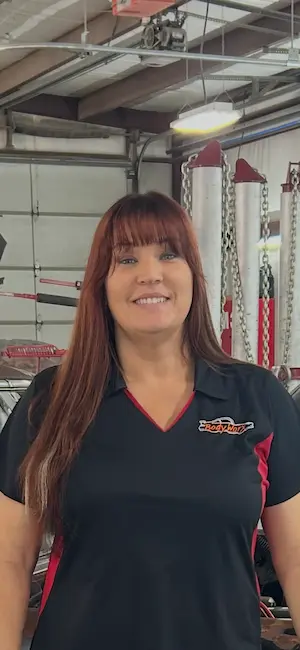
According to Tuggle, one of the greatest values a lobbyist brings isn’t simply monitoring legislation; it’s understanding the political landscape and building relationships long before critical votes occur.
“A lobbyist spends their days in legislators’ offices constantly reminding them about our issues and creating strategic partnerships,” Tuggle said. “They know who is liked and disliked, who may become the next speaker and where opportunities exist. This [knowledge] is invaluable and makes progress happen much quicker.”
That strategic intelligence, she said, would be nearly impossible for volunteer board members to duplicate while simultaneously running successful businesses.
Turning relationships into results
Both Oklahoma and Texas point to tangible legislative successes resulting from professional advocacy.
In Oklahoma, Stegner credits the association’s lobbyist with helping build relationships that prevented legislation heavily supported by the insurance industry from advancing after lawmakers heard the collision repair industry’s perspective.
More recently, the association’s lobbyist has helped build legislative support for Right-to-Appraisal legislation.
Texas also points to legislative accomplishments.
In addition to successfully passing Right to Appraisal legislation, ABAT worked with the Office of Public Insurance Counsel to oppose efforts to remove appraisal clauses from insurance policies before the issue could be addressed through the regulatory process.
Those efforts helped persuade the Texas Department of Insurance to halt appraisal exclusions while regulators reviewed the issue.
Advice for Florida and other states
Both Stegner and Tuggle encourage organizations considering legislative representation to think strategically rather than transactionally.
Stegner recommends selecting a lobbyist who either understands the collision repair industry or is willing to become immersed in it.
“A lobbyist who understands the unique challenges facing independent repairers can represent your association far more effectively,” she said.
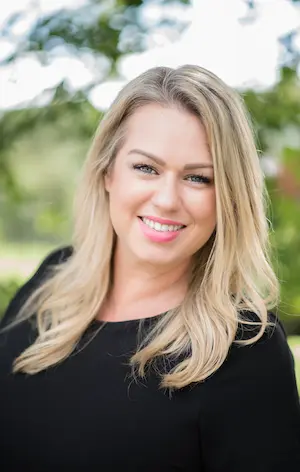
Tuggle agrees but emphasizes another factor.
“Lean on them for the strategy — both long-term and short-term,” she said. “The last thing you want to do is hitch your wagon to the wrong legislator. Legislative work is both what you know and who you know.”
For industries like collision repair, where associations often find themselves advocating against well-funded interests, she said those relationships can make all the difference.
“When you’re David fighting Goliath,” Tuggle said, “that’s incredibly important.”
Looking ahead
By hiring its first lobbyist, FABA hopes to strengthen relationships with legislators, regulators, and industry stakeholders while ensuring that Florida consumers continue to receive safe, proper repairs performed according to manufacturer procedures.
“Success isn’t measured by what we accomplish in the next 12 or 24 months; it’s measured by where Florida’s collision repair industry is three to five years from now. Our vision is to build strong relationships with lawmakers and regulators, establish FABA as the trusted resource on collision repair issues, and ensure consumer safety remains at the center of every policy discussion.
“... By investing in advocacy today, we’re laying the foundation for stronger consumer protections, safer repairs, a healthier collision repair industry, and a legislative environment that supports both businesses and the families who depend on them for years to come.”
Ralston’s experience representing clients in technology, insurance, health care, and public policy gives FABA an experienced advocate as the association begins building those relationships in Tallahassee.
Florida’s decision also sends a broader message to collision repair associations across the country. As technology, regulations, and insurer practices continue to evolve, legislative advocacy is increasingly becoming a core function of association leadership rather than an occasional response to emerging issues.
For many organizations, the question is no longer whether legislative advocacy matters but whether the time has come to invest in it.
Leona Scott