B2U Storage Solutions is giving 500 electric-vehicle battery packs a second career: an eight-year assignment stabilizing the Texas power grid, according to a report by Inside Climate News.
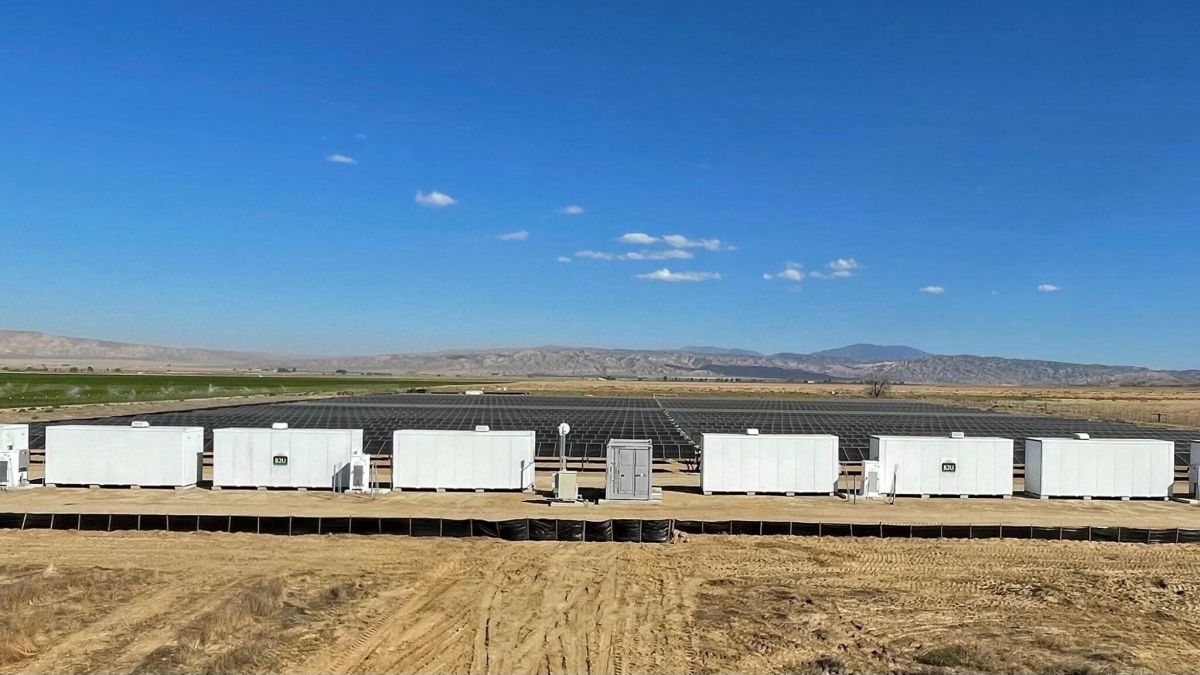
Housed in 21 container-sized cabinets east of San Antonio, the 24 MWh project is expected online by year-end, charging when wholesale prices dip and discharging during evening peaks.
Los Angeles-based B2U Storage Solutions says three more Texas sites totaling 100 MWh will follow in 2026.
Freeman Hall, co-founder and CEO, said the project gets another eight years of life out of the technology made from minerals like lithium, nickel and cobalt.
B2U already operates three facilities using EV batteries in its home state of California.
B2U is able to avoid expensive teardown by slotting entire vehicle packs into its cabinets. Only 5–6% of EV batteries fail incoming diagnostics.
Repurposing beats recycling when a pack still holds 70–80 % of its original capacity. Market researcher IDTechEx projects the second-life battery market to reach $4.2 billion by 2035 as auto OEMs, utilities and refurbishers refine grading technology and lower logistics costs.
In July, GM and Redwood Materials announced the signing of a memorandum of understanding meant to accelerate deployment of energy storage systems using both new U.S.-manufactured batteries from GM and second-life battery packs from GM electric vehicles.
“The market for grid-scale batteries and backup power isn’t just expanding, it’s becoming essential infrastructure,” said Kurt Kelty, VP of batteries, propulsion and sustainability at GM. “Electricity demand is climbing, and it’s only going to accelerate. To meet that challenge, the U.S. needs energy storage solutions that can be deployed quickly, economically, and made right here at home. GM batteries can play an integral role. We’re not just making better cars — we’re shaping the future of energy resilience.”
A month before, in June, Redwood Materials launched Redwood Energy, a new business that deploys both used EV packs and new modules into fast, low-cost energy-storage systems built to meet surging power demand from AI data centers and other applications. The new MOU enables Redwood to pair that integration expertise with both second-life GM EV packs and new U.S.-built batteries, delivering a domestic solution from cell to system.
Already, GM second-life EV batteries are being repurposed to help power the largest second-life battery development in the world and the largest microgrid in North America, at Redwood’s 12MW/63MWh installation in Sparks, NV, supporting the AI infrastructure company Crusoe.